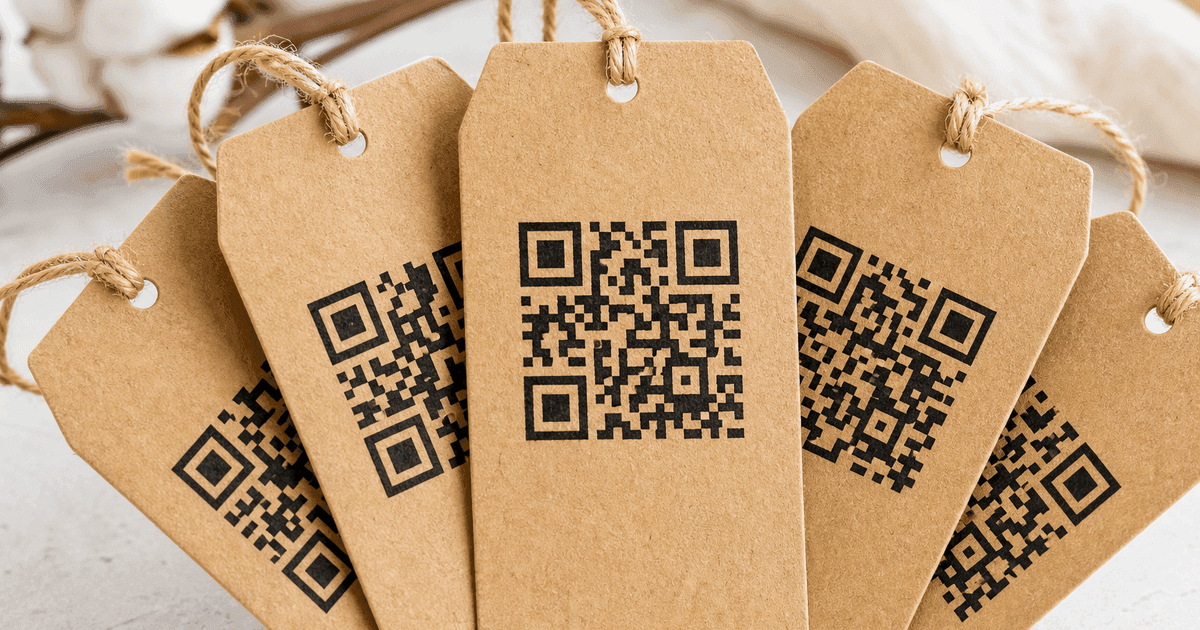
Dijital Ürün Pasaportu (DPP) oluşturmak, ürün düzeyinde sürdürülebilirlik ve uyumluluk verilerini makine tarafından okunabilir bir formatta toplama, yapılandırma ve yayınlama, ardından bunu her fiziksel birime bir QR kodu veya dijital tanımlayıcı aracılığıyla bağlama sürecidir. Küçük bir markanın ilk ürünü için, ilk veri denetiminden canlı dağıtıma 3–6 ay bekleyin — bu sürenin büyük kısmını teknoloji değil, tedarik zinciri veri toplama alır ve sonraki her ürün ilkin çok daha düşük maliyetle tamamlanır çünkü tedarikçi verileri ve süreçler yeniden kullanılır.
Bu rehber, tam süreci yedi somut adımda anlatır — kurgusal bir küçük marka olan "Luma Apparel" (12 kişilik bir pamuklu tişört şirketi) üzerinden her adımın pratikte nasıl göründüğünü gösterir.
Adım 1: Ürün Kapsamınızı Belirleyin
Tek bir veri noktası toplamadan önce, hangi ürünlerin DPP'ye ihtiyacı olduğunu ve ne zaman gerektiğini tanımlayın. ESPR, her ürün kategorisi için tam olarak hangi verilerin gerektiğini ve hangi tarihe kadar olduğunu belirleyen yetkilendirilmiş tasarruflar — ikincil mevzuat — kullanır.
Ürün Kategorinizi Belirleyin
Komisyon ürünleri kategorilere gruplar. Her kategori kendi yetkilendirilmiş tasarrufuyla belirli gereksinimlere ve takvimlere sahiptir:
| Ürün Kategorisi | Beklenen Yetkilendirilmiş Tasarruf | Tahmini Uyum Son Tarihi |
|---|---|---|
| Bataryalar (EV, endüstriyel) | Yayımlanmış (Batarya Yönetmeliği) | Şubat 2027 |
| Tekstil/giyim (giyim eşyaları + giyim aksesuarları; ayakkabı hariç) | Kabul 2027 sonunda bekleniyor | ~2028–2029 |
| Elektronik | Taslak 2026–2027'de bekleniyor | ~2029–2030 |
| Mobilya | 2027+ bekleniyor | ~2030+ |
| Demir ve çelik | 2027+ bekleniyor | ~2030+ |
Pilot Ürününüzü Seçin
Tüm kataloğunuzla değil, tek bir temsili ürünle başlayın. Şu özelliklere sahip bir ürün seçin:
- Görece basit bir tedarik zinciri olması (daha az değişken yönetmek)
- Yüksek hacimde satılması (çabanın değerini en üst düzeye çıkarır)
- Veri paylaşımında işbirliğine açık tedarikçilere sahip olması
Luma Apparel'ın tercihi: En çok satan organik pamuklu tişörtlerini seçiyorlar (3 malzeme, 4 tedarikçi, yılda 15.000 adet). Süreci öğrenmek için yeterince basit, yatırımı haklı kılacak kadar yüksek hacimli.
Adım 2: Mevcut Ürün Verilerinizi Denetleyin
Şimdi halihazırda sahip olduğunuz verileri DPP'nin muhtemelen gerektireceği verilerle karşılaştırarak haritalayın. Bu boşluk analizi tüm sürecin temelidir.
Temel Veri Kategorileri
Kesin gereksinimler yetkilendirilmiş tasarrufunuza bağlı olsa da, ESPR çerçevesi tüm ürün tiplerinde ortak veri kategorileri belirler. Her kategori için bu veriyi zaten toplayıp toplamadığınızı değerlendirin:
| Veri Kategorisi | Neleri İçerir | Luma'nın Durumu |
|---|---|---|
| Ürün tanımlama | GTIN, model numarası, parti/seri | GTIN ve model numaraları var |
| Üretici bilgileri | Şirket adı, adres, kayıt | Eksiksiz |
| Malzeme bileşimi | Ağırlık yüzdesine göre tam döküm | Üst düzey var ("%100 pamuk") ancak ayrıntılı döküm yok |
| Sürdürülebilirlik metrikleri | Karbon ayak izi, su kullanımı, geri dönüştürülmüş içerik % | Toplamıyor |
| Tedarik zinciri verileri | Tedarikçi kimlikleri, bileşen bazında menşe ülke | Yalnızca kademe 1 biliniyor |
| Dayanıklılık bilgileri | Beklenen ömür, yıkama döngüsü derecesi, garanti | Yıkama bakım etiketleri var ama dayanıklılık puanları yok |
| Onarım ve yeniden kullanım | Söküm talimatları, yedek parça bulunabilirliği | Mevcut değil |
| Kullanım ömrü sonu | Geri dönüşüm talimatları, malzeme ayırma rehberi | Yalnızca genel talimatlar |
| Uyumluluk belgeleri | Sertifikalar (OEKO-TEX, GOTS, vb.) | OEKO-TEX Standard 100 var |
Boşluk Analizini Yapın
Luma için denetim üç kritik boşluk ortaya koyuyor:
- Ayrıntılı malzeme bileşimi — Tişörtün "%100 organik pamuk" olduğunu biliyorlar ancak pamuk çeşidini, lif uzunluğunu veya boya ve aprelerin ağırlık yüzdesine göre dökümünü belirleyemiyorlar
- Kademe 1 ötesinde tedarik zinciri izlenebilirliği — Portekizli bir kumaş fabrikasından kumaş alıyorlar ancak ham pamuğun nerede yetiştirildiğini veya çırçırlandığını bilmiyorlar
- Çevresel etki verileri — Karbon ayak izi hesaplaması yok, su kullanım rakamları yok, yaşam döngüsü değerlendirmesi yok
Bu boşluklar tipiktir. OECD'nin tekstil sektöründe özen yükümlülüğü araştırmasına göre moda markalarının beşte birden azı malzemeleri doğrudan tedarikçilerinin ötesine izleyebilmektedir. Türk tekstil ihracatçıları açısından bu durum özellikle önemlidir — Ege bölgesinin pamuk üreticileri kademe 3-4 tedarikçi olarak bu veri zincirine doğrudan dahildir.
Tedarik zinciri boşluğu kapatılması en zor olandır. Karbon ayak izi gibi teknik veriler standart araçlarla hesaplanabilir. Ancak kademe 2 ve kademe 3 tedarikçilerden bileşim ve menşe verisi almak, ilişki kurma, sözleşme anlaşmaları ve çoğu zaman aylar süren yazışmalar gerektirir. Bu adıma erken başlayın.
Adım 3: Tedarik Zincirinizi Devreye Alın
DPP'niz ancak tedarikçilerinizin sağladığı veri kadar eksiksizdir. Çoğu küçük markanın en büyük zorluğuyla karşılaştığı ve erken başlamanın en fazla karşılık verdiği adım burasıdır.
Tedarik Zinciri Kademelerinizi Haritalayın
Ürününüzün her bileşeni için zincirdeki her kuruluşu belirleyin:
Luma'nın tişört tedarik zinciri:
- Kademe 1: Konfeksiyon üreticisi (Porto, Portekiz) — keser, diker, terbiye eder
- Kademe 2: Kumaş fabrikası (Guimarães, Portekiz) — pamuk dokur ve boyar
- Kademe 3: Pamuk çırçırcı (İzmir, Türkiye) — ham pamuğu balyalara işler
- Kademe 4: Pamuk çiftliği (Ege bölgesi, Türkiye) — ham pamuğu yetiştirir
Her Kademeden Veri Talep Edin
Aşağıdakileri kapsayan standartlaştırılmış bir veri talep şablonu oluşturun:
- Malzeme bileşimi ve ağırlık yüzdeleri
- İşleme ülkesi ve tesisi
- Sahip olunan sertifikalar (GOTS, OEKO-TEX, BCI, vb.)
- Çevresel veriler (enerji kaynağı, su kullanımı, atık yönetimi)
Tüm tedarikçiler tüm verilere hemen sahip olmayacaktır. Sağlayabildikleriyle başlayın ve oradan geliştirin. Zamanla gelişen kısmi bir DPP, hiç DPP olmamasından iyidir — ve yetkilendirilmiş tasarruflar muhtemelen veri kalitesi iyileştirmeleri için geçiş süreleri içerecektir.
Veri Paylaşım Anlaşmaları Kurun
Tedarikçiler genellikle ayrıntılı süreç verilerini paylaşma konusunda temkinlidir. Kaygılarını ele alın:
- Gizlilik: Gerektiğinde gizlilik anlaşmaları kullanın. DPP erişim düzeyleri, özel verilerin yalnızca düzenleyicilere görünür olmasını sağlar, rakiplere değil
- Standartlaştırma: Tedarikçilerin her müşteri için özel rapor oluşturmaması için sektör veri değişim formatlarını kullanın
- Karşılıklı fayda: Bu verileri toplayan tedarikçiler daha fazla müşteriye hizmet verebilir. Bunu onlar için de rekabet avantajı olarak çerçeveleyin
Luma'nın sonucu: 6 hafta sonra kademe 1 ve 2'den eksiksiz verilere, kademe 3'ten kısmi verilere (bileşim evet, çevresel veriler bekleniyor) sahipler ve Türk çırçırcı aracılığıyla kademe 4 çiftlikle hâlâ müzakere halindeler.
Adım 4: DPP Verilerinizi Yapılandırın
Ham verileri topladıktan sonra, sıradaki adım bunları makinelerin okuyabileceği ve düzenleyicilerin doğrulayabileceği standartlaştırılmış bir formatta organize etmektir.
Bir Veri Standardı Seçin
AB, DPP verileri için belirli teknik standartlar üzerinde yakınsıyor. Bilinmesi gereken temel standartlar:
| Standart | Amacı | Durumu |
|---|---|---|
| ESPR Veri Modeli | DPP'ler için resmi AB veri şeması | CEN/CENELEC tarafından geliştirilmekte |
| GS1 EPCIS | Olay tabanlı tedarik zinciri veri paylaşımı | Olgun standart, benimsenmesi artmakta |
| CIRPASS tavsiyeleri | Sektörler arası DPP veri mimarisi | Yayımlanmış, AB standartlarını bilgilendiriyor |
| ETSI EN 319 102 | Dijital imzalar ve doğrulama | Kabul edilmiş |
Çoğu küçük marka bunu sıfırdan inşa etmeyecektir. DPP platformunuz veri modelini yönetecektir — sizin göreviniz temiz, doğru girdi verisi sağlamaktır.
Veriyi Gerekli Alanlara Eşleyin
Her ham veri parçasını uygun DPP alanına eşleyin. Luma'nın tişörtü için:
Ürün Tanımlama
├── GTIN: 4012345678901
├── Model: LMA-TEE-001
├── Parti: 2026-Q1-B003
└── Açıklama: Organik pamuklu bisiklet yaka tişört

Malzeme Bileşimi
├── Organik pamuk: %95,2 (GOTS sertifikalı, Ege bölgesi menşeli)
├── Elastan: %3,1 (sentetik, Portekizli tedarikçi)
└── Reaktif boyalar: %1,7 (OEKO-TEX uyumlu)

Üretim
├── Montaj: FabricaPorto Lda, Porto, Portekiz
├── Kumaş: TecelMinho S.A., Guimarães, Portekiz
└── Enerji: %62 yenilenebilir (tedarikçi beyanı)

Çevresel Etki
├── Karbon ayak izi: 7,2 kg CO₂e (beşikten kapıya)
├── Su kullanımı: 2.495 L (pamuk ekiminden terbiyeye)
└── Geri dönüştürülmüş içerik: %0

Kullanım Ömrü Sonu
├── Geri dönüştürülebilir: Evet (elastan iplik çıkarıldıktan sonra tek malzemeli)
├── Toplama: Tekstil toplama kutuları veya perakendeci geri alma programı
└── Malzeme geri kazanımı: Mekanik geri dönüşüme uygun
Veri Kalitesini Doğrulayın
Yayımlamadan önce doğrulayın:
- Doğruluk — Ağırlık yüzdeleri toplamda %100'e ulaşıyor mu?
- Tutarlılık — Karbon ayak izi hesaplama metodolojisi standartla eşleşiyor mu?
- Tamlık — Tüm zorunlu alanlar doldurulmuş mu?
- İzlenebilirlik — Her veri noktası bir kaynak belgeye kadar izlenebilir mi?
Adım 5: Ürün Tanımlayıcılarını Kaydedin
Her DPP, fiziksel ürünü dijital pasaportuna bağlayan küresel olarak benzersiz bir tanımlayıcıya ihtiyaç duyar. GS1 Digital Link, CIRPASS ve CEN/CENELEC JTC24 norm geliştirme çalışmaları dahil büyük sektör girişimleri tarafından desteklenerek DPP veri taşıyıcıları için fiili standart haline gelmiştir. ESPR'nin kendisi teknoloji açısından tarafsızdır — GS1'i spesifik olarak adlandırmak yerine «uluslararası kabul görmüş standartlara» atıfta bulunur — ancak sektör pratik tercih olarak GS1 üzerinde birleşmiştir.
GS1 Şirket Ön Eki Alın
Henüz yoksa, ulusal GS1 kuruluşunuza kaydolun:
- Üyelik başvurusu yapın — Ülkenizin GS1 üye kuruluşunu ziyaret edin (ör. GS1 Türkiye/TOBB, GS1 Almanya, GS1 Hollanda)
- Şirket ön ekinizi alın — Şirketinize atanan benzersiz numara bloğu
- GTIN'ler oluşturun — Ön ekinizden bireysel ürün tanımlayıcıları üretin
GS1 üyelik ücretleri ülkeye ve şirket büyüklüğüne göre değişir. Küçük markalar için yıllık 150–500 € bekleyin. Perakende barkodları için zaten GTIN kullanıyorsanız, muhtemelen zaten bir ön ekiniz vardır — GS1 Türkiye ile kontrol edin.
GS1 Digital Link URI'leri Oluşturun
GS1 Digital Link URI'si, ürün tanımlayıcınızı web üzerinden çözümlenebilir bir URL ile birleştirir:
https://id.gs1.org/01/04012345678901/21/2026Q1B003
         ↑ GTIN                       ↑ Seri numarası
Bu URI şu iki işlevi birden görür:
- Ürün tanımlayıcı (makine tarafından okunabilir, küresel olarak benzersiz)
- Web adresi (taranabilir, DPP verilerinize yönlendirir)
Luma'nın kurulumu: GS1 Portekiz'e kaydoluyorlar, her tişört SKU'su için GTIN'ler oluşturuyorlar ve parti düzeyinde serileştirme içeren Digital Link URI'leri yaratıyorlar.
Adım 6: DPP Barındırma ve Erişimi Kurun
DPP verilerinizin erişilebilir, güvenilir ve ESPR gereksinimlerine uyumlu bir yerde barındırılması gerekir.
Barındırma Gereksinimleri
ESPR, DPP verilerinin şu özelliklere sahip olmasını zorunlu kılar:
- Yüksek çalışma süresiyle 7/24 erişilebilir olması
- Ürünün beklenen yaşam süresi boyunca (artı kullanım ömrü sonu dönemi) erişilebilir kalması
- Standart API'ler aracılığıyla makine tarafından okunabilir olması
- Doğru kademeli izinlerle (kamuya açık / tedarik zinciri / düzenleyici) erişim kontrollü olması
- Gelecekteki AB DPP siciline kayıtlı olması
Barındırma Seçenekleri
| Seçenek | En Uygun Olduğu Durum | Dikkat Edilecekler |
|---|---|---|
| DPP platformu (SaaS) | Küçük ve orta ölçekli markalar | En düşük kurulum çabası, uyum güncellemelerini yönetir, abonelik maliyeti |
| Kendi sunucusunda barındırma | BT ekipleri olan büyük kuruluşlar | Tam kontrol, daha yüksek kurulum maliyeti, uyumu kendiniz sürdürmeniz gerekir |
| Sektör konsorsiyumu | Sektöre özgü çözümler | Paylaşılan maliyet, sektörünüz için standartlaştırılmış, sınırlı özelleştirme olabilir |
Çoğu küçük marka için SaaS platformu pratik tercihtir. Teknik altyapıyı — veri barındırma, API uç noktaları, erişim kontrolü ve sicil entegrasyonu — yönetir, böylece siz veri kalitesine odaklanabilirsiniz.
Erişim Düzeylerini Yapılandırın
Üç ESPR erişim kademesini kurun:
- Kamuya açık — Ürün adı, malzeme bileşimi özeti, sürdürülebilirlik puanları, geri dönüşüm talimatları, sertifikalar. QR kodu taranarak erişilebilir.
- Tedarik zinciri — Ayrıntılı bileşim dökümleri, tedarikçi kimlikleri, parti bazlı veriler. Doğrulanmış iş ortaklarına erişilebilir.
- Düzenleyici — Özel üretim verileri dahil tam veri seti. Yalnızca piyasa gözetimi yetkililerine erişilebilir.
Adım 7: Veri Taşıyıcılarını Dağıtın ve Canlıya Alın
Son adım, fiziksel ürünü dijital pasaportuna bir veri taşıyıcısı — tüketicilerin ve denetçilerin tarayacağı QR kodu, NFC etiketi veya RFID çipi — aracılığıyla bağlar.
Veri Taşıyıcınızı Seçin
| Taşıyıcı | Birim Maliyeti | En Uygun Olduğu Durum | Sınırlamalar |
|---|---|---|---|
| QR kodu (basılı) | <0,01 € | Etiketler, ambalaj, askılı etiketler | Görüş hattı gerektirir, hasar görebilir |
| NFC etiketi | 0,05–0,30 € | Premium ürünler, yeniden kullanılabilir ürünler | Daha yüksek maliyet, NFC özellikli cihaz gerektirir |
| RFID etiketi | 0,05–0,15 € | Lojistik, envanter yönetimi | Tam işlevsellik için RFID okuyucu gerektirir |
| Data Matrix | <0,01 € | Küçük ürünler, elektronik | Tüketiciye QR'den daha az kullanıcı dostu |
Çoğu tekstil ürünü için bakım etiketi veya askılı etiket üzerindeki basılı QR kodu en pratik ve maliyet etkin seçenektir.
QR Kodları Oluşturun ve Test Edin
QR kodunuz Adım 5'teki GS1 Digital Link URI'sini kodlar. Seri üretime geçmeden önce:
- Platformunuzu kullanarak test kodları oluşturun
- Bağlantının doğru çözümlendiğini doğrulamak için birden fazla cihazla (iPhone, Android, farklı uygulamalar) tarayın
- Minimum baskı boyutunda kontrol edin — QR kodları, basmayı planladığınız boyutta taranabilir olmalıdır
- Verilerin doğru yüklendiğini doğrulayın — Taranan URL kamuya açık DPP verilerini göstermelidir
Üretim Sürecinizle Entegre Edin
QR kodu oluşturmayı üretim hattına entegre etmek için etiket matbaanız veya ambalaj tedarikçinizle çalışın:
- Parti düzeyinde DPP'ler: Parti başına bir QR kodu (bir üretim çalışmasındaki tüm birimler aynı pasaportu paylaşır). Daha basit, daha düşük maliyet.
- Birim düzeyinde DPP'ler: Her bireysel ürün için bir QR kodu. Daha ayrıntılı, bazı ürün kategorileri için gerekli (bataryalar birim düzeyinde gerektirmektedir).
Luma'nın dağıtımı: Mevcut bakım etiketlerine QR kodları basıyorlar, her etikete 2mm² ekleniyor. QR kodu, ürünün DPP sayfasına yönlendiren bir GS1 Digital Link kodluyor. Maliyet etkisi: ek etiket baskısı için birim başına 0,02 €'dan az.
Luma'nın eksiksiz DPP'si artık canlı. Berlin'de bir tüketici tişörtü satın alıyor, bakım etiketindeki QR kodu tarıyor ve şunları görüyor: organik pamuk bileşimi, Portekiz üretimi, OEKO-TEX sertifikası, karbon ayak izi ve geri dönüşüm talimatları — hepsi yapılandırılmış, düzenlemeye uyumlu bir formatta.
Ne Gerekiyor? Gerçekçi Takvim ve Bütçe
Luma'nın deneyimine ve sektör ölçütlerine dayanarak, küçük bir markanın ilk DPP'si için beklemesi gerekenler:
Takvim
| Aşama | Süre | Faaliyetler |
|---|---|---|
| Kapsam belirleme ve denetim | 2–3 hafta | Ürün seçimi, veri envanteri, boşluk analizi |
| Tedarikçi etkileşimi | 4–8 hafta | Veri talepleri, takipler, anlaşmalar |
| Veri yapılandırma | 1–2 hafta | Eşleme, doğrulama, platform kurulumu |
| Tanımlayıcı kaydı | 1–2 hafta | GS1 üyeliği, GTIN tahsisi |
| Test ve dağıtım | 1–2 hafta | QR kodu oluşturma, tarama testleri, canlıya alma |
| Toplam | 3–6 ay | İlk ürün: denetimden canlı DPP'ye |
Küçük Markalar İçin Bütçe Tahminleri
| Maliyet Kalemi | Tek Seferlik | Yıllık |
|---|---|---|
| GS1 üyeliği | — | 150–500 € |
| DPP platformu (SaaS) | Kurulum: 0–500 € | Aylık 50–300 € |
| Tedarik zinciri veri toplama | 500–2.000 € (iş gücü) | Minimum (veri yeniden kullanımı) |
| QR kodu entegrasyonu | 200–500 € (etiket yeniden tasarımı) | Birim başına <0,02 € |
| Karbon ayak izi hesaplaması | 500–1.500 € (dışarıdan yapılırsa) | 200–500 € (güncellemeler) |
Ön yüklenmiş maliyetler ağırlıklı olarak veri toplama için iş gücüdür. Tedarik zinciri veri süreçleriniz kurulduktan sonra, DPP sisteminize sonraki ürünleri eklemek önemli ölçüde daha hızlı ve daha ucuz hale gelir.
Her Adım Gerçekte Ne Kadar Sürüyor?
Yukarıdaki Luma Apparel takvimi tek bir örnektir. İşte her adımın süresinin CIRPASS projesi (CIRPASS, 2024), batarya pasaportu pilotları ve erken tekstil DPP uygulamalarından alınan verilerle nasıl karşılaştırıldığı:
| Adım | Luma'nın Deneyimi | Sektör Aralığı | Değişkenliği Neyin Belirlediği |
|---|---|---|---|
| 1. Ürün kapsamı belirleme | 1 hafta | 1–3 hafta | Birden fazla yetki devri tasarrufuna yayılan ürünlere sahip markalar için daha karmaşık |
| 2. Veri denetimi | 2–3 hafta | 2–6 hafta | Mevcut verilerin sistemler (ERP, PLM, e-tablolar, tedarikçi faturaları) arasında ne kadar dağınık olduğuna bağlı |
| 3. Tedarikçi etkileşimi | 6 hafta (4 kademe) | 4–16 hafta | En büyük değişken. İşbirlikçi tedarikçiler haftalarda yanıt verir; yanıt vermeyen tedarikçiler aylar alır. Kademe 2+ veri darboğazdır — OECD araştırması (OECD, 2018) moda markalarının 5'te birinden azının kademe 1 ötesine görüş sahibi olduğunu doğruluyor. |
| 4. Veri yapılandırma | 1–2 hafta | 1–4 hafta | Veri şablonları sağlayan DPP platformuyla daha hızlı (Informatica, 2024); özel veri modelleri oluşturuluyorsa daha yavaş |
| 5. Tanımlayıcı kaydı | 1–2 hafta | 1–4 hafta | GS1 kayıt işleme süresi ulusal kuruluşa göre değişir. Halihazırda GS1 öneki varsa bu adım ortadan kalkar. |
| 6. Barındırma kurulumu | 1 hafta | 1–4 hafta | SaaS platformları: günler. Kendi sunucunda barındırma: haftalar. Kurumsal entegrasyon: aylar. |
| 7. QR dağıtımı | 1–2 hafta | 1–3 hafta | Etiket üretim teslim sürelerine ve bakım etiketi yeniden tasarımının gerekli olup olmadığına bağlı |
| İlk ürün toplamı | ~4 ay | 3–6 ay | Ön yüklenmiş: Zamanın %60–70'i 2–3. adımlara (denetim + tedarikçi etkileşimi) gider |
| Sonraki her ürün | — | 2–4 hafta | Tedarikçi verileri, şablonlar ve platform zaten yerinde |
Erken benimseyenlerden en çarpıcı örüntü: ilk ürün ile sonraki ürünler arasındaki takvim farkıdır. Veri toplama altyapınız mevcutsa, ürün eklemek öncelikle bir veri girişi görevine dönüşür. Bu nedenle yetki devri tasarrufu kesinleşmeden bile — tek bir pilotle başlamak bu kadar yüksek YG'ye sahiptir. İlk DPP'nizden öğrenim ve altyapı, takip eden her ürünü hızlandırır.
DPP Oluşturmada En Sık Yapılan Hatalar Nelerdir?
Sürecin tamamını incelediğimize göre, en sık gördüğümüz tuzaklar:
-
Yetkilendirilmiş tasarrufu bekleme — Tasarruf kesin gereksinimleri belirtir, ancak DPP verilerinin %80'i (ürün tanımlama, malzeme bileşimi, tedarik zinciri bilgileri) kategoriler genelinde tutarlıdır. Şimdi başlamak aylarca tasarruf sağlar.
-
Tüm kataloğu aynı anda DPP'ye sokmaya çalışma — Bir ürünle pilot yapın. Süreci doğru kurun. Sonra ölçeklendirin.
-
Tedarik zinciri verilerini göz ardı etme — Kademe 1 tedarikçi veriniz kolay kısımdır. Zor iş kademe 2, 3 ve 4'tür. Zamanı buna göre bütçeleyin.
-
Standart dışı tanımlayıcılar kullanma — AB, GS1 üzerinde standardizasyona gitmektedir. Özel tanımlayıcılar kullanmak muhtemelen ileride taşınma gerektirecektir.
-
DPP'yi tek seferlik proje olarak görme — Ürün verileri her partiyle değişir (yeni tedarikçiler, güncellenen sertifikalar, revize edilen karbon hesaplamaları). İlk günden sürekli veri bakımını planlayın.
Sonraki Adımlar
DPP yolculuğunuza başlamaya hazırsanız:
- İlk Dijital Ürün Pasaportunuzu ücretsiz oluşturun — PassportCraft'ın rehberli kurulumu, her pasaportun tam olarak hangi verilere ihtiyaç duyduğunu adım adım gösterir
- Hangi verilere ihtiyacınız olduğunu anlayın — Her zorunlu veri kategorisinin derinlemesine incelemesi
- QR kodları ve GS1 hakkında bilgi edinin — Veri taşıyıcıları ve ürün tanımlayıcılarına teknik rehber
- ESPR takvimini inceleyin — Ürün kategorisine göre son tarihlerinizi bilin
- Uyumsuzluk cezalarını anlayın — Son tarihi kaçırırsanız ne olur
Sık Sorulan Sorular
Dijital Ürün Pasaportu oluşturmak ne kadar sürer?
Küçük bir markanın ilk ürünü için, ilk denetimden canlı dağıtıma 3–6 ay bekleyin. Bu sürenin büyük bölümü tedarik zinciri veri toplamaya gider. Sonraki ürünler, tedarikçi verileri ve süreçleri zaten yerinde olduğu için önemli ölçüde daha kısa sürer.
Özel bir platform olmadan DPP oluşturabilir miyim?
Teknik olarak evet — yapılandırılmış verileri kendi sunucunuzda barındırabilirsiniz. Pratikte ise bir DPP platformu uyum güncellemelerini, erişim kontrolünü, sicil entegrasyonunu ve veri formatı değişikliklerini yönetir — bunlar kendi başınıza yönetmeniz pahalı olacak unsurlardır. Küçük markalar için kendin yap-mı-al-mı hesabı neredeyse her zaman platform lehine sonuçlanır.
Tedarikçilerim veri paylaşmayı reddederse ne olur?
Elde edebildiklerinizle başlayın. Bazı tedarikçilerin özel süreç verilerini paylaşma konusunda meşru kaygıları vardır. Gizlilik anlaşmaları kullanın ve DPP erişim düzeylerinin gizli bilgileri kamuoyunun göremeyeceği şekilde koruduğunu açıklayın. Bir tedarikçi kategorik olarak reddederse, alternatif kaynaklara (sektör ortalamaları, üçüncü taraf denetimleri) başvurmanız veya tedarikçi değiştirmeyi düşünmeniz gerekebilir.
Her ürün varyantı için (ör. farklı renkler) ayrı DPP gerekir mi?
Malzeme bileşiminin farklılık gösterip göstermediğine bağlıdır. Aynı malzemeleri kullanan farklı bedenlerdeki bir tişört, model düzeyinde tek bir DPP paylaşabilir. Farklı boyalar kullanan farklı renkler, bileşim değişiyorsa ayrı DPP'lere ihtiyaç duyabilir. Ürün kategorinizin yetkilendirilmiş tasarrufu, gereken ayrıntı düzeyini belirleyecektir.
PassportCraft'ta aynı ürün bilgilerini paylaşan bedenler ve renkler tek bir pasaportun altında durur; her birinin kendi barkodu ve QR kodu olur ve bir tarama, taranan beden ile rengi adlandırır. Adımlar Tek pasaport altında bedenler ve renkler makalesinde anlatılmıştır.
Dijital Ürün Pasaportu gereksinimi şimdiden yürürlükte mi?
ESPR çerçevesi Temmuz 2024'te yürürlüğe girmiştir, ancak ürüne özgü DPP gereksinimleri yetkilendirilmiş tasarruflar aracılığıyla devreye girmektedir. Batarya pasaportları Şubat 2027'den itibaren zorunludur. Tekstil ve elektronik DPP gereksinimleri 2028–2029 civarında beklenmektedir. Tam program için ESPR takvim rehberimize bakın.
Yazar hakkında