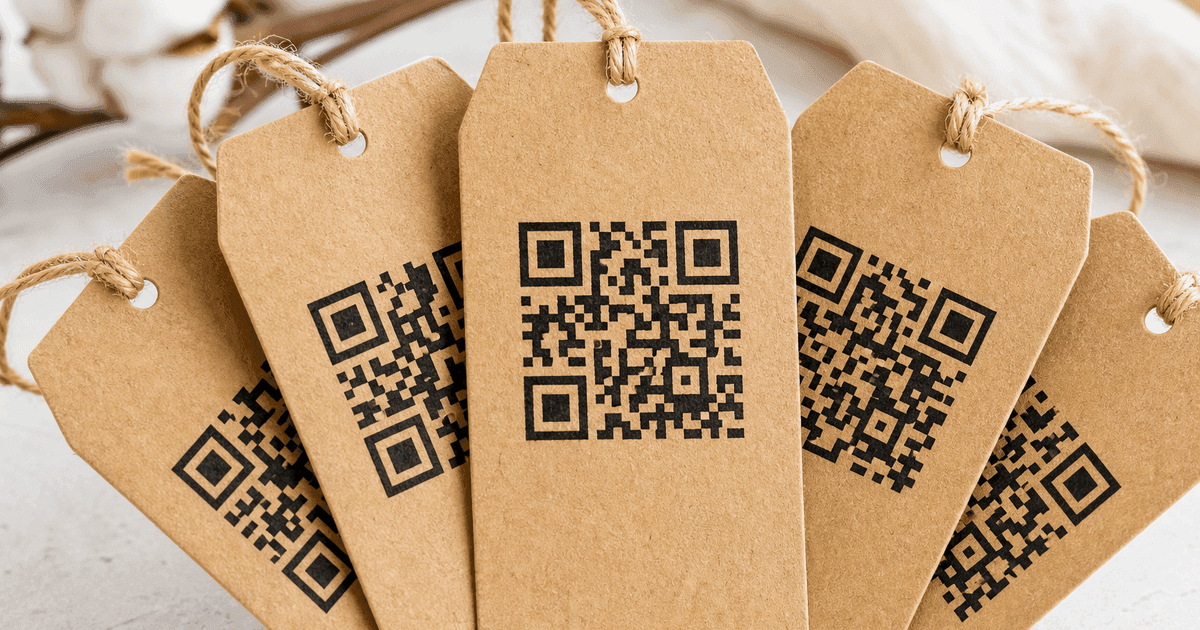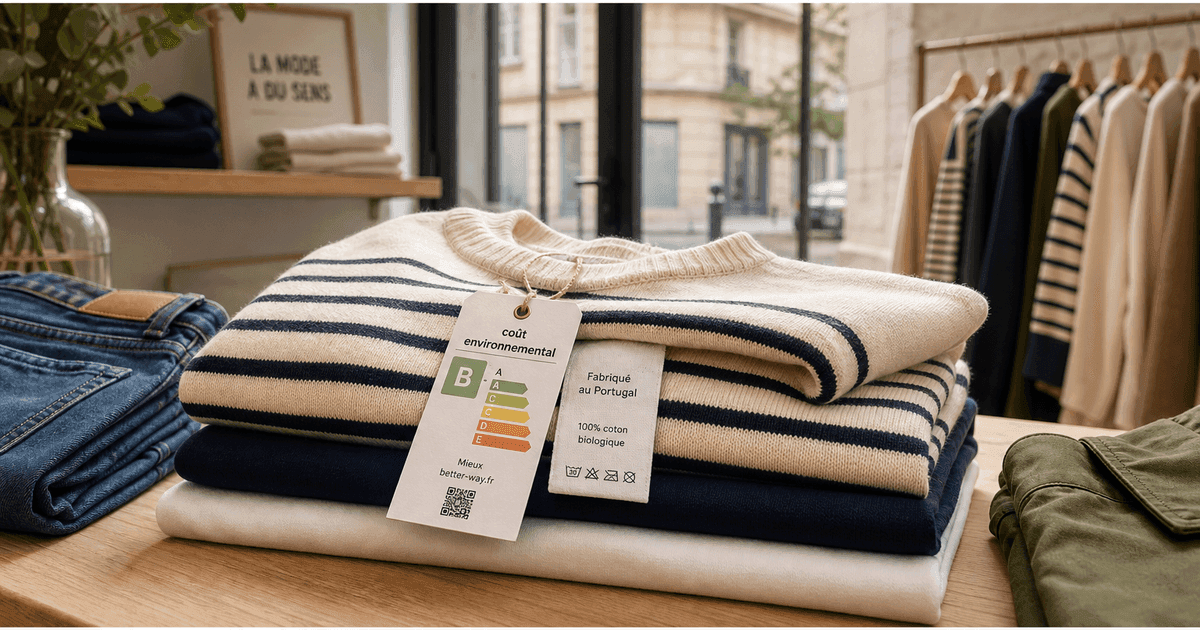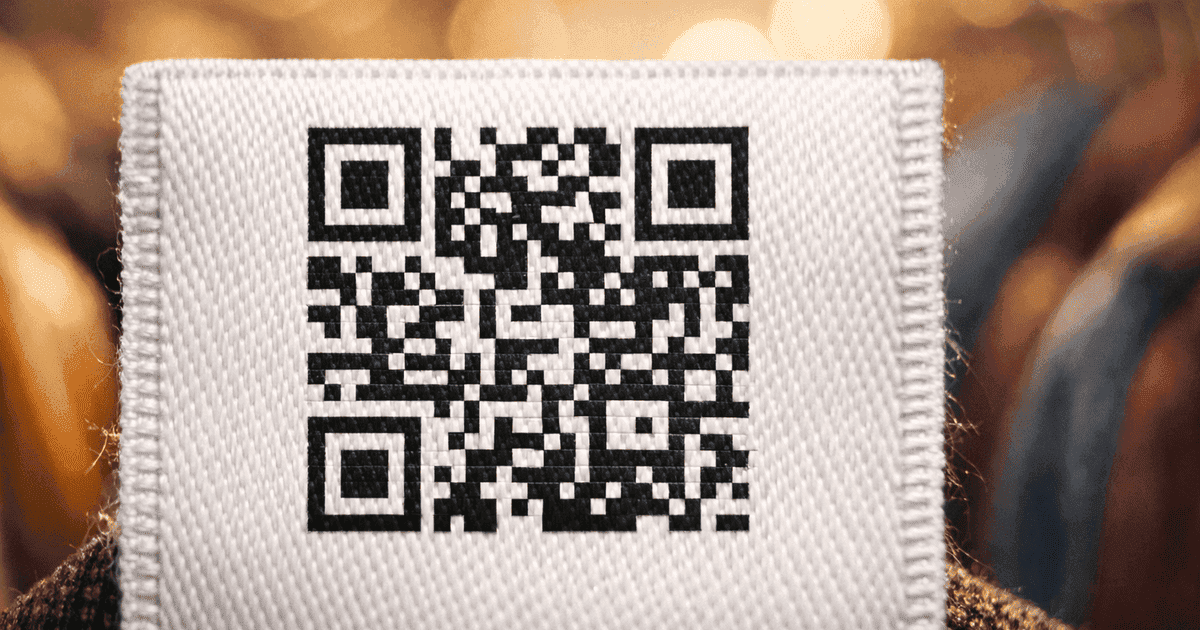
Ürün pasaportu QR kodu, bir ürünü Dijital Ürün Pasaportu'na (DPP) bağlayan fiziksel veri taşıyıcısıdır. AB'nin ESPR yönetmeliği kapsamında, DPP gerektiren her ürünün yapılandırılmış ürün verilerine çözümlenen makine tarafından taranabilir bir kod taşıması gerekir — bu genellikle bir QR kodudur. Bu bağlantıyı sağlayan standart GS1 Digital Link'tir ve ürün tanımlayıcılarını doğrudan web URL'lerine kodlar.
GS1 Digital Link Nedir?
GS1, barkodların, GTIN'lerin (her barkodun altındaki numaralar) ve tedarik zinciri veri alışverişinin arkasındaki küresel standartlar kuruluşudur (GS1, 2024). Dünya genelinde 2 milyondan fazla şirket GS1 standartlarını kullanmaktadır. GS1 Digital Link, bu tanımlayıcıları standart URL'ler olarak kodlayarak web ortamına taşır.
Geleneksel barkod: Bir anlam ifade etmesi için veritabanı sorgusu gerektiren bir sayı dizisi (ör. 09506000134352).
GS1 Digital Link: Hem ürünü tanımlayan HEM DE tarandığında ürün bilgilerine doğrudan erişim sağlayan bir web URL'si (ör. https://id.gs1.org/01/09506000134352).
Bu, DPP'ler için önemlidir çünkü pasaport verileri web üzerinden erişilebilir olmalıdır — tescilli bir sistem veya veritabanında kilitli değil. GS1 Digital Link, her ürünü herhangi bir akıllı telefonla, özel uygulama gerekmeden taranabilir kılar.
URL Yapısı Açıklaması
GS1 Digital Link URL'si, sisteme her veri parçasının ne anlama geldiğini söyleyen standartlaştırılmış kodlar olan Uygulama Tanımlayıcıları (AI'lar) kullanarak ürün tanımlayıcılarını kodlar.
Temel Yapı
https://[alan-adi]/01/[GTIN]/21/[seri-numarasi]
| Bileşen | Nedir | Örnek |
|---|---|---|
alan-adi | Çözümleyici sunucu (GS1'in veya sizin) | id.gs1.org veya passport.markaniz.com |
/01/ | GTIN için Uygulama Tanımlayıcısı | Ürün tanımlama için her zaman 01 |
[GTIN] | 14 haneli Küresel Ticari Ürün Numarası | 09506000134352 |
/21/ | Seri numarası için Uygulama Tanımlayıcısı | Birim düzeyinde takip için kullanılır |
[seri] | Benzersiz seri (20 alfanümerik karaktere kadar) | ABC123 veya 2026-Q1-00042 |
Yaygın Uygulama Tanımlayıcıları
| AI Kodu | Ad | Ne Zaman İhtiyacınız Var |
|---|---|---|
01 | GTIN (ürün kimliği) | Her zaman — her DPP buna ihtiyaç duyar |
21 | Seri Numarası | Birim düzeyinde DPP'ler (lüks, seri numaralı ürünler) |
10 | Parti/Lot Numarası | Parti düzeyinde DPP'ler (standart giyim) |
17 | Son Kullanma Tarihi | Bozulabilir ürünler, piller |
Gerçek URL Örnekleri
Model düzeyinde DPP (ürün tasarımı başına bir pasaport):
https://passport.markaniz.com/01/05412345000013
Parti düzeyinde DPP (üretim partisi başına bir pasaport):
https://passport.markaniz.com/01/05412345000013/10/PARTI-2026-Q1
Birim düzeyinde DPP (bireysel birim başına bir pasaport):
https://passport.markaniz.com/01/05412345000013/21/SN-00042
id.gs1.org varsayılan çözümleyici olsa da, markalar kendi alan adlarını kullanabilir (ve kullanmalıdır). Bu sayede QR kodlarınız standarda uyarken passport.markaniz.com adresine yönlendirir — markanızı güçlendirir. URL'nin yalnızca GS1 Digital Link yol yapısını takip etmesi gerekir.
Çözümleyici Mimarisi Nasıl İşler?
QR kodu tek başına ürün verilerinizi içermez — kimin taradığına ve neye ihtiyaç duyduğuna bağlı olarak doğru veriye çözümlenen bir URL içerir. Bu çözümleyici mimarisidir.
Taramadan Veriye Akış
Biri DPP QR kodunu taradığında neler olur:
Adım 1: Tarama. Tüketici, geri dönüşümcü veya gümrük memuru QR kodu herhangi bir akıllı telefon kamerası veya tarama uygulamasıyla tarar.
Adım 2: HTTP İsteği. Telefon, QR kodunda kodlanmış URL'ye standart bir web isteği gönderir (ör. https://passport.markaniz.com/01/05412345000013/21/SN-00042).
Adım 3: Çözümleyici Çıkarımı. Çözümleyici sunucu URL yolunu okur ve GTIN'i, seri numarasını ve istek bağlamını (hangi cihaz, hangi başlıklar, hangi erişim seviyesi) çıkarır.
Adım 4: Bağlama Duyarlı Yönlendirme. İsteği yapanın kim olduğuna ve neye ihtiyacı olduğuna göre çözümleyici uygun yanıta yönlendirir:
| İstekte Bulunan | Yönlendirildiği Yer | GS1 Bağlantı Türü |
|---|---|---|
| Akıllı telefonlu tüketici | Ürün bilgi sayfası | gs1:pip |
| DPP uyumlu uygulama veya düzenleyici | Sürdürülebilirlik/DPP verileri | gs1:sustainabilityInfo |
| Onarım teknisyeni | Bakım ve onarım talimatları | gs1:instructions |
| Geri dönüşüm tesisi | Kullanım ömrü sonu rehberi | gs1:recipeInfo |
| Tedarik zinciri sistemi | İzlenebilirlik verileri | gs1:traceability |
Adım 5: Yanıt. Kullanıcı uygun içeriği görür — tüketici dostu bir ürün sayfası, yapılandırılmış veri yanıtı veya düzenleyici uyumluluk raporu.
GS1 Digital Link yaklaşımının temel avantajı budur. Tek bir QR kodu her kullanım senaryosuna hizmet eder — tüketici şeffaflığı, düzenleyici uyumluluk, geri dönüşüm talimatları ve tedarik zinciri takibi — her hedef kitle için ayrı kodlara gerek kalmadan.
DPP İçin QR Kodu Teknik Gereksinimleri Nelerdir?
Güvenilir taranabilirlik için DPP QR kodları, sektörün en iyi uygulama standartları olarak kabul edilen aşağıdaki özellikleri karşılamalıdır:
| Özellik | Gereksinim |
|---|---|
| Standart | ISO/IEC 18004 (QR Kodu) |
| Minimum boyut | 2cm x 2cm |
| Hata düzeltme | Seviye M (%15) standart; hasara maruz kalabilecek ürünler için Seviye H (%30) |
| Sessiz bölge | QR kodunun etrafında minimum 4 modül |
| Okunabilir metin | QR kodunun altında önerilir (URL veya ürün kimliği) |
| Kodlama | GS1 Digital Link URL |
| Dinamik | Seri numaralı olmalı (birim düzeyi gerekiyorsa tüm ürünlerde paylaşılan statik URL değil) |
Tekstil Ürünleri İçin Özel Gereksinimler
Moda markaları QR kodlarını genellikle şu yerlere yerleştirir:
- Bakım etiketleri — Giysiyle dikilerek tutturulur, ürün yaşam döngüsü boyunca dayanır
- Askılı etiketler — Satış noktasında görünür, tüketici tarafından çıkarılabilir
- Ürün ambalajı — Online siparişler için dış ambalaj
Bakım etiketindeki QR kodu ürünün tüm yaşam döngüsüne — yıkama dahil — dayanmalıdır. Birden fazla yıkama döngüsünden sonra taranabilirliği test etmek için etiket matbaanızla çalışın. Bazı markalar etiketlere gömülü NFC etiketlerini tamamlayıcı olarak değerlendiriyor, ancak basılı etiketlerdeki QR kodları temel gereksinimdir.
Alternatif Veri Taşıyıcıları
QR kodları birincil standart olsa da, ESPR belirli kullanım senaryoları için ek veri taşıyıcılarını desteklemektedir:
| Taşıyıcı | Standart | En Uygun Olduğu Durum | Notlar |
|---|---|---|---|
| QR Kodu | ISO/IEC 18004 | Tüketici taraması, evrensel erişim | Zorunlu temel |
| GS1 DataMatrix | ISO/IEC 16022 | QR'nin sığmadığı küçük ürünler | 2D barkod, daha küçük alan |
| NFC | ISO/IEC 14443/18092 | Lüks ürünler, dokunarak okuma | Yıkamaya dayanır, etiketlere gömülü |
| RAIN RFID | ISO/IEC 18000-63 | Tedarik zinciri, lojistik, envanter | Görüş hattı gerekmiyor |
Çoğu moda markası için bakım etiketindeki QR kodu yeterlidir. NFC ve RFID tamamlayıcı teknolojilerdir — sahip olunması iyi ama zorunlu değil.
GS1 Sunrise 2027 Nedir ve DPP'yi Nasıl Etkiler?
DPP uygulamasına paralel olarak, küresel perakende sektörü "Sunrise 2027" adlı bir girişimle geleneksel 1D barkodlardan GS1 Digital Link QR kodlarına geçiş yapmaktadır.
Bu şu anlama gelir:
- Dünya genelinde satış noktası sistemleri QR kodu tarayacak şekilde güncelleniyor
- Tek bir QR kodu hem kasa hem de DPP amacına hizmet edecek
- DPP uyumlu QR kodlarını şimdi benimseyen markalar perakende hazırlığında öne çıkıyor
Moda markaları için bu birleşme önemlidir. DPP QR kodunuz sadece düzenleyici bir zorunluluk değil — perakende kasası, tüketici etkileşimi ve ürün takibinin gelecekte nasıl işleyeceğinin temelidir.
Markaların Uygulaması Gerekenler
GS1 ile Başlangıç
-
GS1 Şirket Öneki alın. Ulusal GS1 kuruluşunuz aracılığıyla başvurun (Türkiye'de GS1 Türkiye / TOBB, Almanya'da GS1 Germany, Fransa'da GS1 France). Maliyet: şirket büyüklüğüne ve ulusal GS1 kuruluşuna bağlı olarak yılda yaklaşık 50–500 EUR.
-
Ürünlerinize GTIN atayın. Her ürün tasarımı benzersiz 14 haneli bir GTIN alır. GS1 önekiniz size atayabileceğiniz bir numara bloğu verir.
-
Ayrıntı düzeyini belirleyin. Model düzeyi (tasarım başına bir GTIN), parti düzeyi (GTIN + parti numarası) veya birim düzeyi (GTIN + seri numarası). Tekstil yetki devri tasarrufu neyin gerekli olduğunu belirleyecektir, ancak parti düzeyi beklenen varsayılandır. Her pasaporta hangi verilerin gireceği hakkında detaylar için DPP veri gereksinimleri rehberimize bakın.
-
Bir çözümleyici kurun. GS1'in çözümleyicisini (
id.gs1.org), DPP platformunuzun çözümleyicisini kullanabilir veya kendinizinkini barındırabilirsiniz. Çözümleyici, GS1 Digital Link URL'lerini DPP verilerinize eşler. -
QR kodları oluşturun. Her ürün/parti için GS1 Digital Link URL'sini kodlayın. Bunun için araçlar, ücretsiz QR kodu oluşturuculardan (temel kullanım için) süreci otomatikleştiren entegre DPP platformlarına kadar çeşitlilik gösterir.
-
Etiketlemeye entegre edin. Bakım etiketlerine veya askılı etiketlere QR kodu eklemek için etiket matbaanızla çalışın. Belirtilen minimum boyutta (2cm x 2cm) taranabilirliği test edin.
Ülkeye Göre GS1 Üyelik Maliyetleri
Yukarıda bahsedilen "yılda 50–500 €" aralığı ulusal GS1 kuruluşuna göre önemli ölçüde değişir. İşte hedef pazarlarımızın her birinde en küçük üyelik kademesinin gerçekte ne kadara mal olduğu, Şubat 2026 itibarıyla doğrulanmış:
| Ülke | Yıllık Ücret (en küçük kademe) | Tek Seferlik Ücret | Kapsanan Ürünler |
|---|---|---|---|
| Almanya | 160 € | 250 € | Sınırsız (GS1 Complete) |
| Fransa | 104 € | 120 € | Sınırsız |
| İspanya | 216 € | 100 € | Sınırsız |
| İtalya | 110 € | 300 € | 1.000'e kadar |
| Hollanda | ~89 € | 37 € | 10 kod |
| İngiltere | 50 GBP (~58 €) | Yok | 10 GTIN |
| ABD | 150 USD (~139 €) | 750 USD (~694 €) | 100'e kadar |
| Türkiye | 2.524 TRY (~49 €) | Dahil | 100'e kadar |
Fiyatlar KDV/vergi hariçtir. 500.000 € altı gelirli veya eşdeğer şirketler için mevcut en küçük kademe. Döviz kurları yaklaşıktır: 1 GBP = 1,17 EUR, 1 USD = 0,93 EUR, 1 TRY = 0,019 EUR.
İlk yıl toplam maliyet (yıllık ücret + tek seferlik katılım ücreti) yaklaşık 49 € (Türkiye) ile 833 € (ABD) arasında değişir. Fransa ve İspanya her üyelik kademesinde sınırsız ürün kodu sunar — birçok SKU'ya sahip markalar için önemli bir avantaj. Almanya, tam üyeliğe geçmeden önce sistemi test eden markalar için bütçe dostu bir "SmartStarter10" seçeneği (60 € tek seferlik, 10 GTIN, yıllık ücret yok) sunmaktadır.
Ulusal GS1 kuruluşunuz aracılığıyla kaydolun — satış pazarınız üzerinden değil. Fransa'ya satış yapan Türk bir marka GS1 Fransa'ya değil GS1 Türkiye'ye kaydolur. GS1 Şirket Önekiniz küresel olarak çalışır.
GS1 Çözümleyicisi ile Kendi Çözümleyiciniz Arasında Seçim
| Seçenek | Avantajlar | Dezavantajlar |
|---|---|---|
GS1 çözümleyicisi (id.gs1.org) | Güvenilir, standart, sıfır bakım | Marka özelleştirmesi yok, GS1 altyapısına bağımlılık |
| DPP platform çözümleyicisi | DPP verilerinizle entegre, sizin için yönetilen | Platform bağımlılığı, aylık maliyet |
| Kendi alan adınızla çözümleyici | Tam marka kontrolü (passport.markaniz.com), özel deneyim | Geliştirme ve bakım yükü |
Çoğu şirket DPP platformunun çözümleyicisini kullanacaktır — QR kodu oluşturma, veri barındırma ve URL çözümlemeyi tek bir hizmet olarak entegre eder.
DPP QR Kodları Standart QR Kodlarından Nasıl Farklıdır?
Standart pazarlama QR kodu (web sitesine bağlanan) ve DPP QR kodu tüketicinin gözünde aynı görünür. Farklar altyapıdadır:
| Özellik | Pazarlama QR Kodu | DPP QR Kodu |
|---|---|---|
| URL yapısı | Herhangi bir URL | GS1 Digital Link formatı gerekli |
| Ürün tanımlama | Yok (sadece bir bağlantı) | GTIN URL yolunda kodlu |
| Seri numarası | Genellikle statik | Parti veya birim tanımlayıcılarını desteklemeli |
| Çözümleyici | Standart web yönlendirmesi | Bağlama duyarlı yönlendirme (tüketici vs. otorite) |
| Erişim kontrolü | Yalnızca herkese açık | Kademeli (herkese açık, kısıtlı, otorite) |
| URL arkasındaki veri formatı | HTML sayfası | JSON-LD yapılandırılmış veri + okunabilir sayfa |
| Dayanıklılık gereksinimleri | Belirtilmemiş | Ürün yaşam döngüsü boyunca dayanmalı |
| Standart uyumluluğu | Yok | ISO/IEC 18004, ISO/IEC 18975, GS1 Digital Link |
Sık Sorulan Sorular
DPP QR kodunu taramak için özel uygulama gerekir mi?
Hayır. Herhangi bir akıllı telefon kamerası DPP QR kodunu tarayabilir — standart bir web URL'si kodlayan standart bir QR kodudur. Tüketici, ürün bilgilerini içeren bir web sayfasına yönlendirilir. Özelleştirilmiş uygulamalar (geri dönüşümcüler, tamirciler veya yetkililer için) gelişmiş işlevsellik sağlayabilir, ancak temel tarama için özel bir uygulama gerekmez.
Mevcut ürün QR kodlarımı DPP için kullanabilir miyim?
Yalnızca zaten GS1 Digital Link formatına uyuyorlarsa. Çoğu mevcut ürün QR kodu pazarlama sayfalarına veya GTIN veya diğer gerekli tanımlayıcıları kodlamayan genel URL'lere yönlendirir. GS1 Digital Link yapısına uygun yeni QR kodları oluşturmanız muhtemelen gerekecektir.
QR kodu hasar görürse veya okunamaz hale gelirse ne olur?
Hasara maruz kalabilecek ürünler (iş kıyafetleri, outdoor giyim) için Seviye H hata düzeltme (%30 fazlalık) kullanın. Standart giyim için Seviye M (%15) yeterlidir. QR kodu tamamen okunamaz hale gelirse ürün yine de GTIN'i veya parti numarasıyla başka yollarla (ürün etiketi, satın alma kayıtları) tanımlanabilir, ancak DPP erişim noktası kaybolur. Yüksek değerli ürünler için tamamlayıcı veri taşıyıcılarını (NFC etiketleri) düşünün.
GS1 Digital Link uygulaması ne kadara mal olur?
GS1 Şirket Öneki, şirket büyüklüğüne ve ulusal GS1 kuruluşuna bağlı olarak yılda yaklaşık 50–500 EUR'dur — kesin rakamlar için yukarıdaki ülke bazında fiyatlandırma tablosuna bakın. QR kodu oluşturma temelde ücretsizdir (birçok araç mevcuttur). Ana maliyet, genellikle DPP platform fiyatlandırmasına dahil olan çözümleyici altyapısı ve DPP veri barındırmadır. Çoğu şirket için GS1 Digital Link'in artımlı maliyeti (DPP platformunun ötesinde) yıllık GS1 üyelik ücretidir.
Tek bir QR kodu hem perakende kasası hem de DPP için çalışabilir mi?
Evet — GS1 Sunrise 2027'nin tam olarak sağladığı budur. Tek bir GS1 Digital Link QR kodu GTIN'i (kasa için) kodlar ve DPP verilerine (uyumluluk için) çözümlenir. Sunrise 2027 için güncellenen perakende satış noktası sistemleri GTIN'i URL yolundan okurken, tüketiciler ve düzenleyiciler aynı tarama aracılığıyla DPP'ye erişir. Tek kod, birden fazla amaç.
Bir GS1 Digital Link çözümleyicisini 'uyumlu' kılan nedir?
GS1, resmi bir test paketi içeren gönüllü bir çözümleyici uygunluk standardı (v1.2.0) yürütür. Uyumlu bir çözümleyici bu paketi geçer: /.well-known/gs1resolver adresinde makine tarafından okunabilir bir keşif dosyası yayımlar, kaynaklar arası (CORS) istekleri HTTPS üzerinden yanıtlar, bağlantılarını — insan tarafından okunan ürün sayfasını ve yapılandırılmış ürün verilerini — bir JSON linkset olarak sunar, ?linkType= isteklerine uyar ve doğru HTTP kodlarını döndürür (örneğin hatalı biçimlendirilmiş bir URL için 400 ve sahip olmadığı bir bağlantı türü için yanıltıcı bir 200 yerine 404). Bu, AB'nin bir yasal gerekliliği değil, teknik bir birlikte çalışabilirlik rozetidir — ama faydalı bir rozettir: uyumlu bir çözümleyici, QR kodlarınızın üçüncü taraf tarayıcılarla, uygulamalarla ve planlanan AB DPP kaydıyla sorunsuz çalıştığı ve bu sistemler sıkılaştıkça çalışmaya devam ettiği anlamına gelir. Bir DPP platformunu değerlendirirken, çözümleyicisinin uyumlu olup olmadığını sormaya değer. PassportCraft'ın çözümleyicisi resmi GS1 Digital Link çözümleyici uygunluk test paketini (v1.2.0) geçer.
Yazar hakkında