El coste de cumplimiento del DPP es la inversión total que una marca debe realizar para recopilar, estructurar, alojar y mantener los datos de producto exigidos por el Pasaporte Digital de Producto en virtud del Reglamento de Ecodiseño para Productos Sostenibles (ESPR) de la UE. Para las marcas pequeñas, esta es la pregunta que más importa: no si hay que cumplir, sino si es asumible. La respuesta es más manejable de lo que sugieren la mayoría de las estimaciones orientadas a grandes empresas.
¿Cuánto cuesta realmente el cumplimiento del DPP?
Los costes del DPP se dividen en seis categorías: identificadores de producto, plataforma/alojamiento, recopilación de datos de la cadena de suministro, cálculos ambientales, soportes de datos físicos y mantenimiento continuo. La mayoría de las cifras que circulan en internet proceden de proveedores y consultoras orientadas a grandes empresas — reflejan la realidad de marcas con miles de SKU y cadenas de suministro globales complejas. Si eres una marca con menos de 100 SKU, tus números son muy diferentes.
La clave: el cumplimiento del DPP no es un gasto único y elevado. Es una suma de costes más pequeños y diferenciados, muchos de los cuales son inversiones puntuales. Entender cada capa te permite presupuestar de forma realista y evitar gastar de más en componentes que importan menos de lo que afirman los proveedores.
Desglose de costes por categoría
Registro en GS1 e identificadores de producto
Todo Pasaporte Digital de Producto necesita un identificador único, y la UE está estandarizando con GS1. Si ya vendes a través de canales minoristas con códigos de barras, probablemente ya tienes un Prefijo de Empresa GS1 — lo que significa que ya has pagado este paso.
Para marcas que necesitan registrarse:
| Región | Número de productos | Coste anual |
|---|---|---|
| UE (mayoría de países) | Cualquiera | 150-500 EUR/año |
| EE. UU. (GS1 US) | 1-10 artículos | ~400 USD/año |
| EE. UU. (GS1 US) | 1-100 artículos | ~1 000 USD/año |
| EE. UU. (GS1 US) | 1-1 000 artículos | ~3 500 USD/año |
Los precios varían según la organización miembro de GS1. Algunos países cobran una cuota de inscripción única más renovación anual; otros lo integran en una cuota anual única. En España, GS1 España (AECOC) ofrece tarifas adaptadas al tamaño de la empresa.
Comprueba antes de comprar. Si vendes productos con códigos de barras minoristas, ya tienes un Prefijo de Empresa GS1. Contacta con tu organización nacional GS1 para confirmarlo antes de adquirir uno nuevo. Los registros duplicados malgastan dinero y crean conflictos de identificadores.
Costes de la plataforma de DPP
Aquí es donde las estimaciones más divergen. Un análisis de mercado de Renoon de enero de 2026 segmenta las plataformas DPP en tres niveles:
| Nivel de plataforma | Coste anual | Cliente objetivo |
|---|---|---|
| Cumplimiento básico | Menos de 15 000 EUR/año | Marcas de tamaño medio |
| Premium (analítica + integración) | 15 000-100 000 EUR/año | Marcas grandes |
| Empresarial (cadena de suministro completa) | Más de 100 000 EUR/año | Corporaciones globales |
Esas cifras no son incorrectas, pero describen el mercado actual, que se dirige mayoritariamente a grandes empresas. Para marcas pequeñas, la cifra relevante es mucho menor: las herramientas SaaS emergentes se espera que se sitúen entre 50 y 300 EUR/mes (600-3 600 EUR/año), con precio por código QR como modelo alternativo. Cuando en agosto de 2026 revisamos los precios publicados de nueve plataformas DPP, los planes de entrada disponibles quedaban incluso por debajo de ese rango.
Se están desarrollando dos modelos de precios:
- Suscripción mensual — tarifa plana para un número determinado de SKU, con precios escalonados a medida que creces
- Pago por pasaporte — pagas por cada DPP generado, normalmente entre 0,50 y 2,00 EUR por producto
Para una marca pequeña con 20 SKU, el modelo de suscripción es casi siempre más económico.
El mercado de plataformas de DPP está en fase incipiente. La mayoría de las soluciones actuales se dirigen a grandes empresas porque ahí es donde los proveedores obtienen más ingresos. Las soluciones asequibles para marcas pequeñas están surgiendo activamente a medida que el mercado se desarrolla, pero los precios seguirán siendo volátiles hasta 2027. Evita compromisos contractuales plurianuales.
Recopilación de datos de la cadena de suministro
Este es el verdadero factor de coste — y no es un coste tecnológico. Es un coste laboral. La recopilación de datos de la cadena de suministro es también el mayor reto al que se enfrentan las marcas pequeñas en su preparación para el cumplimiento del DPP.
Los datos necesarios para un DPP abarcan composición de materiales, procesos de fabricación, impacto ambiental y procedencia en la cadena de suministro. Según Informatica (Informatica, 2024), el 60-80 % de estos datos proviene de tus proveedores, no de tus propios registros. Y según la investigación de la OCDE sobre la diligencia debida en el sector textil (OECD, 2018), menos de una de cada cinco marcas de moda puede rastrear los materiales más allá de sus proveedores directos (nivel 1).
Para tu primer producto, prevé gastar:
- 500-2 000 EUR en trabajo para contacto con proveedores, seguimiento, formateo de datos y verificación
- 4-8 semanas como mínimo para el ciclo de recopilación de datos
- Tiempo adicional si necesitas establecer acuerdos de intercambio de datos o acuerdos de confidencialidad con proveedores
La buena noticia: este esfuerzo se concentra al inicio. Una vez que estableces los procesos de recopilación de datos y las relaciones con proveedores para tu primer producto, los siguientes reutilizan los mismos canales. Tu segundo DPP cuesta una fracción de lo que costó el primero.
Cálculos de impacto ambiental
El marco del ESPR prevé datos de huella ambiental en los DPP, aunque la metodología exacta para textiles aún no está confirmada. Opciones actuales:
| Enfoque | Coste | Ideal para |
|---|---|---|
| ACV completo externalizado (Análisis de Ciclo de Vida) | 500-1 500 EUR por categoría de producto | Marcas que necesitan datos certificados |
| Herramientas de cálculo simplificado | 200-500 EUR/año | Marcas pequeñas con materiales estándar |
| Datos promedio del sector | Gratuito (donde estén disponibles) | Dato provisional mientras se define la metodología |
No inviertas de más en este punto. El acto delegado textil podría exigir un enfoque simplificado (como las Reglas de Categoría de Huella Ambiental de Producto) en lugar de un ACV completo. Invierte en comprender tus materiales y cadena de suministro ahora; perfecciona los cálculos cuando se confirme la metodología.
Integración de código QR y soporte de datos
Este es el componente más económico. Un código QR vinculado a tu DPP es una pequeña adición a tu etiqueta existente:
| Elemento | Coste |
|---|---|
| Impresión de código QR (añadido a etiquetas existentes) | Menos de 0,02 EUR por unidad |
| Rediseño de etiqueta (puntual) | 200-500 EUR |
| Etiquetas NFC (productos premium, opcional) | 0,05-0,30 EUR por unidad |
Para la mayoría de las marcas, los códigos QR en etiquetas de cuidado o etiquetas colgantes son suficientes. NFC es una opción premium para productos de lujo — no es obligatorio.
Mantenimiento continuo
Los datos del DPP no son algo que configuras y olvidas. La información del producto cambia con cada lote: proveedores diferentes, certificaciones actualizadas, cálculos ambientales revisados. El ESPR exige que los datos se mantengan precisos a lo largo de todo el ciclo de vida del producto.
Para una marca pequeña con menos de 50 SKU, presupuesta 2-4 horas al mes para actualizaciones y mantenimiento de datos, además de las renovaciones anuales de tu suscripción a la plataforma y la membresía de GS1.
¿Cuánto cuesta el DPP para una marca pequeña? La imagen completa
Este es un presupuesto realista para el primer año de una marca de 10 personas con 20 SKU:
| Partida | Puntual | Anual | Notas |
|---|---|---|---|
| Membresía GS1 | — | 150-500 EUR | Varía según el país |
| Plataforma DPP (SaaS) | 0-500 EUR configuración | 600-3 600 EUR | 50-300 EUR/mes |
| Recopilación de datos cadena de suministro | 1 000-3 000 EUR | Mínimo | El primer producto es el más costoso |
| Integración código QR | 200-500 EUR | Menos de 0,02 EUR/unidad | Rediseño de etiqueta + impresión por unidad |
| Cálculos ambientales | 500-1 500 EUR | 200-500 EUR | Por categoría de producto |
| Total Año 1 | 1 700-5 500 EUR | 950-4 600 EUR | |
| Total Año 1 Combinado | 2 650-10 100 EUR |
El segundo año se reduce significativamente — sin costes de configuración, sin rediseño de etiquetas, y la recopilación de datos pasa de construir relaciones con proveedores a mantenerlas. Prevé costes anuales continuos de 1 000-5 000 EUR.
¿Cómo evolucionan los costes del DPP a partir del primer año?
El primer año se concentra en costes de configuración. Así es como cambia el perfil de coste una vez que tu infraestructura de DPP está establecida:
| Partida | Año 1 | Año 2 | Año 3 en adelante | Notas |
|---|---|---|---|---|
| Membresía GS1 | 150-500 EUR | 150-500 EUR | 150-500 EUR | Renovación anual fija |
| Plataforma DPP (SaaS) | 600-3 600 EUR + configuración | 600-3 600 EUR | 600-3 600 EUR | La suscripción continúa; puede aumentar con el número de SKU |
| Recopilación de datos cadena de suministro | 1 000-3 000 EUR (trabajo) | 200-500 EUR | 200-500 EUR | Caída drástica — relaciones con proveedores y plantillas reutilizables |
| Integración código QR | 200-500 EUR (rediseño etiqueta) | Menos de 0,02 EUR/unidad | Menos de 0,02 EUR/unidad | Rediseño puntual; impresión por unidad es negligible |
| Cálculos ambientales | 500-1 500 EUR | 200-500 EUR | 200-500 EUR | Cálculo inicial costoso; actualizaciones anuales incrementales |
| Mantenimiento de datos | Incluido en configuración | 500-1 500 EUR | 500-1 500 EUR | 2-4 horas/mes para actualizaciones de datos, renovaciones de certificaciones, cambios de lote |
| Total | 2 650–10 100 EUR | 1 650–6 600 EUR | 1 650–6 600 EUR | El Año 2 es 35–50 % inferior al Año 1 |
La caída del Año 1 al Año 2 es significativa — principalmente porque la recopilación de datos de la cadena de suministro y el rediseño de etiquetas son inversiones puntuales. Para una marca pequeña que añade 5 nuevos productos al año, el coste incremental por producto en el Año 2+ es aproximadamente de 200-500 EUR (principalmente entrada de datos y generación de códigos QR), comparado con 1 000-3 000 EUR para el primer producto.
¿Cómo varían los costes entre categorías de producto?
No todos los DPP cuestan lo mismo. La complejidad del producto y la cadena de suministro genera variaciones de coste significativas. Para un desglose completo de qué productos necesitan DPP y cuándo, consulta nuestra guía de alcance de producto.
| Categoría | Coste relativo | Principal factor de coste | Rango típico (marca pequeña) |
|---|---|---|---|
| Textiles | Moderado | Trazabilidad de la cadena de suministro (datos de nivel 2+) | 2 500-10 000 EUR Año 1 |
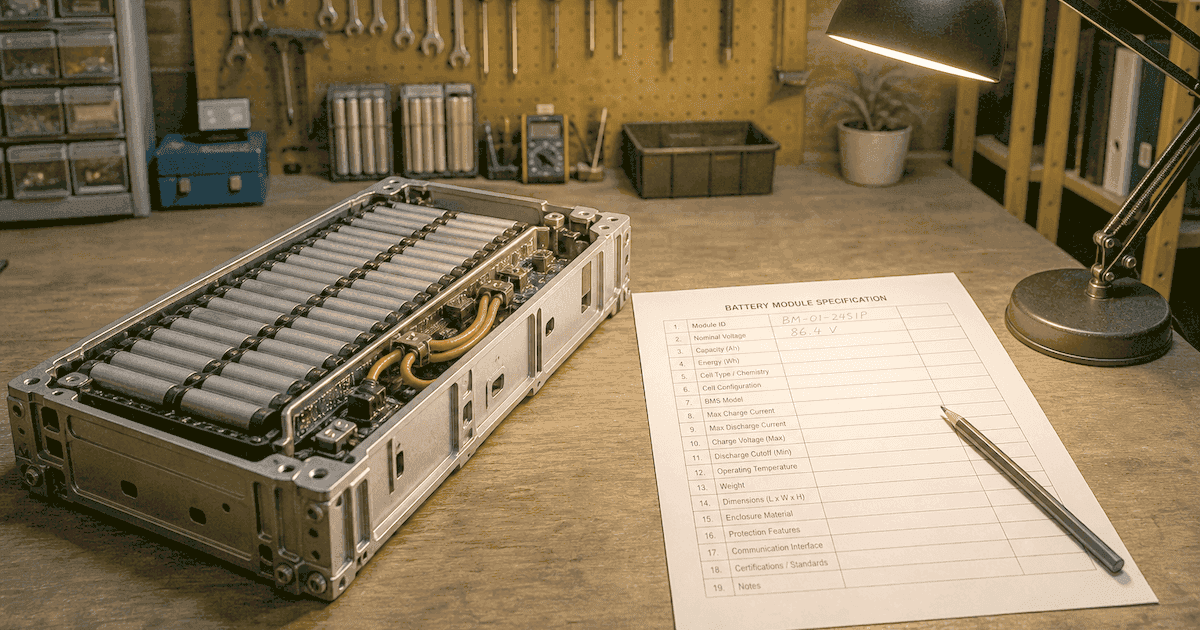
| Baterías | El más alto | Datos de electroquímica, seguimiento a nivel de celda | 15-45 EUR por batería; 2,5M-12M EUR para OEM de nivel 1 |
| Electrónica | Moderado-Alto | Listas de materiales complejas, abastecimiento de componentes | 5 000-20 000 EUR Año 1 |
| Mobiliario | Moderado | Cadenas de suministro más sencillas, menos tipos de materiales | 2 000-8 000 EUR Año 1 |
Los pasaportes de baterías están en una categoría aparte — los requisitos técnicos de química de celdas, degradación del rendimiento y monitorización del estado de salud elevan los costes muy por encima de las demás categorías. Si estás en textiles, mobiliario o bienes de consumo general, tus costes son asumibles.
¿Cuánto cuesta el incumplimiento?
La verdadera pregunta no es "¿Puedo permitirme el cumplimiento del DPP?" sino "¿Puedo permitirme no cumplir?". Las sanciones por incumplimiento son severas:
- Multas fijadas por cada Estado miembro de la UE — deben ser «efectivas, proporcionadas y disuasorias» conforme al artículo 77 del ESPR (a diferencia del RGPD, el ESPR no establece un techo sancionador armonizado a nivel de toda la UE)
- Bloqueos aduaneros en importaciones a la UE — tus envíos retenidos en la frontera
- Exclusión de marketplaces — Amazon, Zalando y otras plataformas de la UE deben exigir el cumplimiento del ESPR en virtud de los artículos 35-36
- Pérdida de ingresos — las empresas que no cumplan podrían perder hasta el 45 % de sus ingresos anuales por la interrupción del acceso al mercado de la UE (SME Today, 2024)
- Riesgo existencial — el 31 % de las empresas encuestadas afirman que no sobrevivirían si perdieran el acceso al comercio con la UE (SME Today, 2024)
Para ponerlo en contexto: las exportaciones textiles del Reino Unido a la UE cayeron un 63 % entre 2019 y 2023, según datos comerciales del UK ONS (UK ONS trade data), en parte debido a las fricciones regulatorias del Brexit. El incumplimiento del DPP genera el mismo tipo de barrera comercial — con la diferencia de que esta es totalmente evitable.
Una marca pequeña que invierte 5 000-10 000 EUR en cumplimiento del DPP para proteger más de 200 000 EUR en ingresos de la UE está haciendo una inversión evidente.
El caso del ROI: ¿cuándo se amortiza el DPP?
El cumplimiento del DPP es principalmente un coste de acceso al mercado — pagas para poder seguir vendiendo en la UE. Pero existe un caso genuino de retorno de la inversión más allá de evitar sanciones:
Ejemplo práctico: una marca textil pequeña con 20 SKU y 500 000 EUR de ingresos anuales en la UE
| Factor | Valor | Fuente |
|---|---|---|
| Coste anual del DPP (Año 2+) | 2 000-5 000 EUR | Nuestras estimaciones de coste anteriores |
| Ingresos de la UE en riesgo por incumplimiento | Hasta 225 000 EUR (45 % de los ingresos) | Encuesta SME Today |
| Impulso de confianza del consumidor por datos de sostenibilidad verificados | Sin medir, pero el 80 % de los consumidores desconfía de las afirmaciones no verificadas | Blue Yonder 2025 |
| Potencial de ingresos de economía circular (reventa, reparación) | Estimado 3-5 % del valor del producto capturado a través de canales de segunda mano habilitados por DPP | Bain & Company estima que los DPP podrían duplicar el valor de vida del producto (Bain, 2024) |
| Reducción de devoluciones por mejor información del producto | Reducción del 1-3 % en devoluciones (la transparencia mejorada del producto reduce el desajuste de expectativas) | Media del sector para información mejorada de producto |
Con 3 000-5 000 EUR al año de costes continuos, el punto de equilibrio es sencillo: si el cumplimiento del DPP previene una sola retención aduanera (5 000-20 000 EUR en almacenaje y sobreestadía), evita una sola exclusión de marketplace (ingresos perdidos durante el período de exclusión), o habilita incluso ingresos modestos de economía circular (reventa de productos devueltos con procedencia verificada), la inversión se amortiza en el primer año. La verdadera pregunta del ROI no es si vale la pena el cumplimiento del DPP — es si puedes permitirte la alternativa.
Cómo minimizar los costes del DPP
Cinco estrategias para mantener tus costes de cumplimiento lo más bajos posible:
-
Empieza con un producto piloto. No intentes crear el DPP de todo tu catálogo a la vez. Elige el producto de mayor volumen y con la cadena de suministro más sencilla. Aprende el proceso y luego escala. Tu primer producto te enseña lo que necesita el segundo.
-
Audita primero los datos existentes. La mayoría de las marcas ya tienen el 40-60 % de los datos que requiere un DPP — identificación de producto, composición de materiales, instrucciones de cuidado, país de fabricación. Mapea lo que tienes antes de invertir en nueva recopilación de datos. Te sorprenderá cuánto existe disperso en hojas de cálculo, facturas de proveedores y fichas técnicas de producto.
-
Involucra a los proveedores pronto. El tiempo de recopilación de datos es la variable de coste más importante. Los proveedores que reciben tu solicitud de datos con 12 meses de antelación responden de forma muy diferente a los contactados 3 meses antes de un plazo. Inicia la conversación ahora, aunque los requisitos exactos no estén finalizados.
-
Elige herramientas conformes con los estándares desde el primer día. Construir sobre identificadores GS1 y formatos de datos abiertos evita costosas migraciones posteriores. Un proveedor que utiliza identificadores propietarios puede ser más barato hoy, pero caro de abandonar mañana.
-
Empieza gratis con PassportCraft y crea tu primer pasaporte. La configuración guiada te muestra exactamente qué datos debes recopilar y por dónde empezar, y el plan gratuito te permite construir antes de gastar nada.
Siguientes pasos
¿Quieres entender tus costes de cumplimiento? Empieza aquí:
- Crea tu primer DPP gratis — La configuración guiada de PassportCraft te muestra exactamente qué datos necesita cada pasaporte
- Entiende qué datos necesitas — Análisis en profundidad de cada categoría de datos requerida por nivel de confianza
- Aprende a crear un DPP — Guía paso a paso desde la auditoría de datos hasta el despliegue en producción
- Sigue las buenas prácticas de implementación — 10 lecciones de empresas pioneras para minimizar costes y evitar errores comunes
- Consulta el calendario del ESPR — Conoce tus plazos por categoría de producto
- Infórmate sobre las sanciones por incumplimiento — Qué ocurre si no llegas al plazo
Preguntas frecuentes
¿Cuánto cuesta un Pasaporte Digital de Producto?
Para una marca pequeña con menos de 100 SKU, prevé entre 2 500 y 10 000 EUR en el primer año, con costes anuales continuos de 1 000-5 000 EUR en adelante. La mayor variable es la recopilación de datos de la cadena de suministro: las marcas con proveedores organizados y cooperativos gastan menos, mientras que las que rastrean cadenas de suministro complejas con múltiples niveles gastan más. Las tarifas de plataforma y GS1 son relativamente predecibles una vez que eliges proveedor.
¿Existe una forma gratuita de cumplir con los requisitos del DPP?
No existe un camino totalmente gratuito para el cumplimiento del DPP, ya que el registro en GS1 y el alojamiento de datos tienen costes ineludibles. Sin embargo, puedes minimizar gastos auditando primero los datos existentes (la mayoría de las marcas ya tienen el 40-60 % de lo necesario), utilizando datos ambientales medios del sector como dato provisional, y empezando con un único producto piloto para mantener un alcance manejable. El coste laboral de recopilar datos de proveedores persiste incluso con herramientas gratuitas.
¿Cuál es la parte más barata del cumplimiento del DPP?
El soporte de datos físico — un código QR — es el componente más barato, con menos de 0,02 EUR por unidad cuando se añade a las etiquetas de producto existentes. El componente más caro es la recopilación de datos de la cadena de suministro, que es un coste laboral que escala con el número de proveedores y niveles de tu cadena. Para marcas que ya usan códigos de barras minoristas, el registro en GS1 también supone un coste incremental mínimo.
¿Los costes del DPP disminuyen para productos adicionales?
Sí, significativamente. El primer producto cuesta entre 3 y 5 veces más que los siguientes, porque los datos de proveedores, la configuración de la plataforma, los procesos de recopilación de datos y las plantillas de etiquetas son todos reutilizables. Una vez que has establecido acuerdos de intercambio de datos con tus proveedores clave y configurado tu plataforma de DPP, añadir un nuevo producto es principalmente una tarea de introducción de datos, no un ejercicio de construcción de procesos.
¿Puedo cumplir con el DPP yo mismo sin una plataforma?
Técnicamente sí — podrías alojar datos estructurados en JSON-LD en tu propio servidor y generar códigos QR manualmente. En la práctica, una plataforma de DPP gestiona las actualizaciones de cumplimiento a medida que se publican los actos delegados, administra el control de acceso para los distintos consumidores de datos (reguladores, recicladores, consumidores), se integra con el registro central de la UE y mantiene tu formato de datos actualizado. Para marcas sin personal técnico dedicado, el coste de la plataforma es casi siempre inferior a la carga de mantenimiento del enfoque DIY.
¿Cuándo debo empezar a presupuestar para el DPP?
Ahora. El elemento que más tiempo consume es la recopilación de datos de proveedores, que lleva un mínimo de 4-8 semanas para un solo producto. Empezar con más de 18 meses de antelación respecto al plazo previsto de tu categoría de producto te da tiempo para hacer un piloto con un producto, perfeccionar tu proceso y escalar a todo tu catálogo sin gastos de urgencia. Las marcas que esperan hasta 6 meses antes del plazo pagarán tarifas premium por consultoría acelerada y corren el riesgo de un cumplimiento incompleto.
Sobre la autora