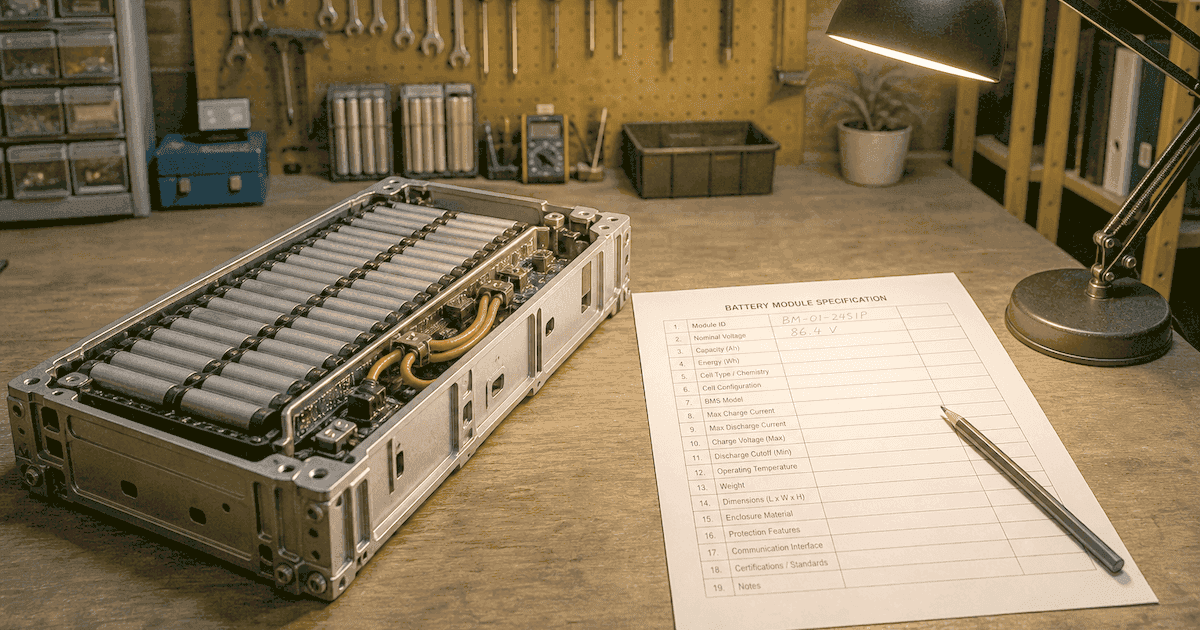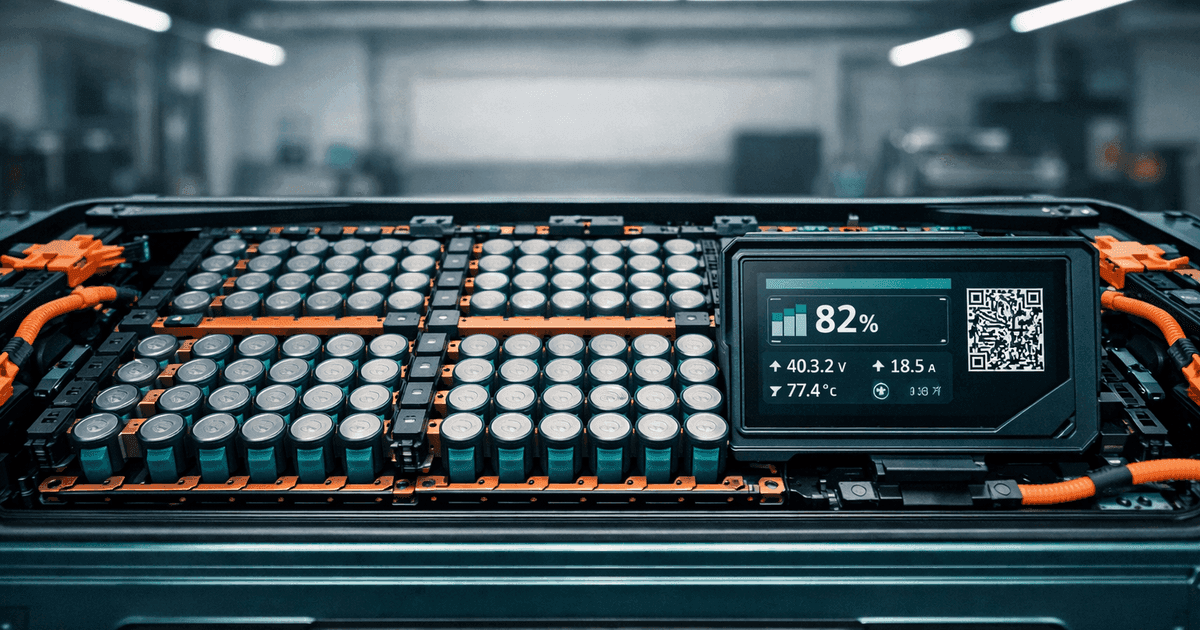
AB Batarya Pasaportu, 18 Şubat 2027'den itibaren AB pazarına sunulan her elektrikli araç (EV) bataryası, hafif ulaşım araçları (LMT) bataryası — e-bisiklet ve e-scooter — ve 2 kWh üzerindeki sanayi bataryasına eşlik etmesi zorunlu olan, QR kod aracılığıyla erişilebilen dijital bir kayıttır. Bu, dünyada yürürlüğe girecek ilk Dijital Ürün Pasaportu zorunluluğudur ve tüm AB DPP sisteminin kavram kanıtıdır. Batarya pasaportu uygulamasının nasıl sonuçlanacağı; Eko-tasarım Tüzüğü (AB Tüzük 2024/1781 — ESPR) kapsamında tekstil, mobilya, elektronik ve diğer ürün kategorileri için geçerli olacak DPP gereksinimlerinin şeklini doğrudan belirleyecektir.
AB Batarya Pasaportu Ne Gerektiriyor?
AB Tüzük 2023/1542 kapsamında batarya pasaportu, beş kategoride ayrıntılı bilgi içermelidir:
Ürün Kimliği ve Teknik Özellikler
Her batarya pasaportu, ürünü tüm yaşam döngüsü boyunca izlenebilir kılan benzersiz bir batarya tanımlayıcısı içermelidir. Bu, model düzeyinde değil; seri düzeyinde bir tanımlayıcıdır. AB pazarına sunulan her tek bir batarya, AB merkezi kayıt sisteminde kendi pasaport kaydına sahip olur.
Zorunlu kimlik alanları şunlardır:
- Benzersiz batarya tanımlayıcısı (EN/IEC 62902'ye uygun seri numarası)
- Batarya kimyası ve türü (örn. lityum-iyon NMC, LFP, katı hal)
- Nominal kapasite, voltaj, ağırlık ve boyutlar
- Üretim tarihi ve üretim yeri
- Üretici ve marka kimliği (üretici AB dışındaysa, üründen sorumlu olan AB'de yerleşik iktisadi işletmeci — çoğu zaman AB ithalatçınız — dahil)
Seri düzeyindeki bu izlenebilirlik önemli bir gerekliliktir ve her DPP aracı bunu taşıyacak şekilde tasarlanmamıştır; dört platforma giriş yaparak formlarının gerçekte hangi batarya alanlarını istediğini inceledik. Tekstil DPP'leri için JRC'nin güncel önerisi (Mayıs 2026), parti ve model düzeyinde tanımlamayı zorunlu kılmakta, birim düzeyinde seri numaralarını ise isteğe bağlı bırakmaktadır; batarya pasaportu'nun ürün bazındaki yaklaşımı bu spektrumun en talepkâr ucunu temsil etmeye devam etmektedir.
Çevresel Veri
Batarya Tüzüğü (AB 2023/1542) kapsamındaki çevresel veri gereksinimleri, bir ürün kategorisine şimdiye kadar uygulanan en ayrıntılı gereksinimler arasındadır. Bunlardan bazıları:
- Karbon ayak izi — Komisyon'un karbon ayak izi kurallarına ilişkin delege edilmiş düzenlemesi (Madde 7) çerçevesinde hesaplanan, batarya kapasitesinin kWh başına yaşam döngüsü CO2 değeri. Bu; hammadde çıkarımı, hücre üretimi, montaj ve nakliyeyi kapsar
- Karbon ayak izi performans sınıfı — Satın alma kararlarında kolaylık sağlamak amacıyla tasarlanmış basitleştirilmiş bir derecelendirme. Metodoloji delege edilmiş düzenlemesi başlangıçta Şubat 2025'te yayımlanması planlanmış ancak ertelenmiştir
- Geri dönüştürülmüş içerik yüzdeleri — Geri dönüşüm kaynaklarından elde edilen kobalt, lityum, nikel ve kurşunun spesifik yüzdeleri. Asgari geri dönüştürülmüş içerik eşikleri zaman içinde artacaktır: 2031'e kadar %16 kobalt, %6 lityum ve %6 nikel (Madde 8)
Yukarıdaki üç kalemin hiçbiri 18 Şubat 2027'de istenmiyor — ama bir çevresel değer isteniyor. Yenilenebilir içerik payını, Ek XIII 1(f), aynı rehber o tarihte üç batarya kategorisinin hepsi için zorunlu olarak işaretliyor. Komisyonun 15 Ağustos 2026 tarihli rehber belgesi, karbon ayak izi beyanını, karbon ayak izi etiketini ve dört geri dönüştürülmüş içerik payının tamamını "Şubat 2027 itibarıyla doldurulmayacak/gösterilmeyecek" olarak işaretliyor; çünkü her biri henüz kabul edilmemiş bir tasarrufu bekliyor. Yükümlülükler gerçek ve daha sonra devreye giriyor; değişen tarih, gereklilik değil. Bu rehber hukuk değildir: kendisi Komisyonun resmî görüşünü yansıtmadığını belirtir; dolayısıyla onu bir izin olarak değil, Komisyonun güncel görüşü olarak okuyun. Alan alan anlattık: bir batarya pasaportunun ilk gün gerçekte neye ihtiyacı var.
Yaşam döngüsü ayak izi artı performans sınıflandırmasından oluşan bu çevresel açıklama modeli, karbon ayak izi ve dayanıklılık derecelendirmelerinin gündemde olduğu tekstil DPP'sine de yansıması beklenmektedir.
Performans ve Yaşam Döngüsü Verisi
Statik bir ürün etiketinin aksine, batarya pasaportu bataryanın tüm yaşam döngüsü boyunca veri takip eder. Batarya Tüzüğü (AB 2023/1542) Madde 14 kapsamında batarya yönetim sistemleri (BYS) şunları kaydetmeli ve erişime açmalıdır:
- Sağlık durumu (zaman içindeki kapasite düşüşü, orijinal nominal kapasitenin yüzdesi olarak)
- Şarj durumu geçmişi (şarj ve deşarj olayları)
- Döngü sayısı ve kullanım kalıpları
- Tahmini kalan kullanım ömrü
- Çalışma sıcaklığı geçmişi ve anormal olay kayıtları
Bu yaşam döngüsü takibi, en teknik açıdan zorlu gereklilik ve diğer DPP'ler için en önemli emsaldir. Avrupa Komisyonu'nun Ortak Araştırma Merkezi (OAM), bu veri alışverişi için teknik standartlar geliştirmekte olup söz konusu standartlar genel ESPR (AB Tüzük 2024/1781) veri mimarisini şekillendirecektir.
Bileşim ve Malzemeler
Batarya Tüzüğü (AB 2023/1542), çoğu üreticinin şu anda kamuoyuyla paylaştığının çok ötesine geçen tam içerik açıklaması gerektirmektedir. Pasaport şunları içermelidir:
- Aktif maddeler ve elektrolit bileşimi (genel kategoriler değil, spesifik kimyasal formülasyonlar)
- Kullanılan kritik hammaddeler — kobalt, lityum, nikel, doğal grafit ve mangan — tedarik zinciri şeffaflığı için menşe ülke bilgisiyle birlikte
- REACH (Tüzük (AT) 1907/2006) ve CLP Tüzüğü (AT 1272/2008) kapsamındakiler dahil tehlikeli maddeler
- Ağırlıkça %0,1 konsantrasyon eşiği üzerindeki endişe verici maddeler (Atık Çerçeve Direktifi kapsamında kullanılan SCIP veritabanı eşiğiyle aynı)
Bu malzeme şeffaflığı düzeyi tekstil için de doğrudan bir karşılık bulmaktadır. Tekstil DPP'sinin; üretimde kullanılan kimyasal maddelerin (boyalar, apre, alev geciktiriciler), geri dönüştürülmüş lif içeriğinin ve mikroplastik salınım potansiyelinin açıklanmasını gerektirmesi beklenmektedir.
Kullanım Sonu Bilgileri
Döngüsel ekonomi, Batarya Tüzüğü'nün (AB 2023/1542) merkezindedir. Pasaport, geri dönüşüm ve ikinci hayat kullanımını pratik hale getirmek için ayrıntılı kullanım sonu verileri içermelidir:
- Güvenli sökme için adım adım prosedürler
- Geri dönüşüm rehberliği ve önerilen işlemler
- Toplama noktaları ve iade programı ayrıntıları — üreticinin genişletilmiş üretici sorumluluğu (GÜS) ağı kapsamında
- İkinci hayat uygunluk değerlendirmesi — sağlık durumu verilerine göre bataryanın yeniden kullanılıp kullanılamayacağı
Bu kullanım sonu şeffaflığı, tekstil DPP'leri için de bir şablon oluşturmaktadır. Tekstil DPP'lerinin; geri dönüşüm için lif bileşimi, çok malzemeli giysiler için sökme talimatları ve AB'nin yaklaşan tekstil atığı çerçevesi kapsamında GÜS bilgilerini içermesi beklenmektedir.
Batarya pasaportu, ESPR (AB Tüzük 2024/1781) kapsamındaki tüm DPP'lerin kullanacağı aynı katmanlı erişim modelini kullanır: herkese açık veri (QR kodu tarayan herkes), kısıtlı veri (geri dönüşümcüler, tamirciler) ve yetkili veri (pazar gözetimi, gümrük). Batarya pasaportu aracılığıyla bu modeli anlamak, tekstil DPP'nizi anlamak demektir.
Batarya Üretmeyen Markalar Neden Batarya Pasaportunu Önemsemeli?
Tekstil ihraç ediyorsunuz, batarya değil — peki neden önemsemelisiniz? Çünkü batarya pasaportu üç kritik emsal oluşturmaktadır.
Emsal 1: Teknik Mimari
Batarya pasaportu, tekstil DPP'lerinin de kullanacağı teknik altyapıyı kullanmaktadır:
| Bileşen | Batarya Pasaportu | Tekstil DPP (Beklenen) |
|---|---|---|
| Ürün tanımlayıcısı | GS1 GTIN + seri numarası | GS1 GTIN + seri/parti |
| Veri taşıyıcısı | QR kod (ISO/IEC 18004) | QR kod (ISO/IEC 18004) |
| URL yapısı | GS1 Digital Link | GS1 Digital Link |
| Veri formatı | JSON-LD, yapılandırılmış veri | JSON-LD, yapılandırılmış veri |
| Erişim kontrolü | Üç katmanlı (herkese açık/kısıtlı/yetkili) | Üç katmanlı (herkese açık/kısıtlı/yetkili) |
| Kayıt sistemi | AB merkezi DPP kayıt sistemi | AB merkezi DPP kayıt sistemi |
| Yedek barındırma | Bağımsız DPP hizmet sağlayıcısı | Bağımsız DPP hizmet sağlayıcısı |
Batarya pasaportunu teknik olarak anlıyorsanız, tekstil DPP'nin nasıl çalışacağının %80'ini anlıyorsunuz demektir. Farklılıklar veri alanlarında, altyapıda değildir. QR kodlar ve GS1 Digital Link hakkında daha fazla bilgi için ürün pasaportu QR kodu rehberimize bakabilirsiniz.
Emsal 2: Uygulama Modeli
Batarya pasaportu, AB'nin DPP uyumluluğunu ölçekte gerçekten uygulayıp uygulayamayacağının ilk testi olacaktır. Aralık 2024'te yürürlüğe giren AB Genel Ürün Güvenliği Tüzüğü (GPSR, AB Tüzük 2023/988) pazar gözetim yetkilerini güçlendirmiştir. Yanıtlanacak sorular:
- Gümrük uygulaması: Sınır yetkilileri batarya pasaportu kayıtlarını AB merkezi kayıt sistemine karşı ne kadar verimli doğrulayabilecek?
- Pazar gözetimi: Ulusal yetkililer uyumsuz ürünlere ne kadar hızlı müdahale ediyor?
- Pazar yeri denetimi: Amazon, eBay ve diğer platformlar batarya pasaportu uyumluluğunu önceden tarayacak mı?
- Geçiş süreci gerçeği: İlk aylarda eksik veriye ne kadar tolerans gösteriliyor?
Bu soruların yanıtları, tekstil DPP'leri 2028-2029'da zorunlu hale geldiğinde uygulamanın ne kadar sert olacağını doğrudan belirleyecektir. ESPR uyumsuzluğunun nasıl sonuçlanabileceğine dair ayrıntılar için DPP yaptırım rehberimize bakabilirsiniz.
Emsal 3: Gecikme Kalıbı
Batarya Tüzüğü (AB 2023/1542), AB'nin uygulama güçlüklerini nasıl ele aldığını ortaya koymaktadır — ve bu kalıp oldukça öğreticidir. Komisyon, ana pasaport son tarihini değiştirmeden destekleyici gereklilikleri ertelemek için delege edilmiş düzenleme yetkisini kullanmıştır:
| Gereklilik | Orijinal Tarih | Mevcut Durum | Açıklama |
|---|---|---|---|
| Karbon ayak izi beyanı | Şubat 2025 | Ertelendi | Metodoloji delege edilmiş düzenlemesi kabul edilmedi |
| Kayıt yükümlülükleri | Ağustos 2025 | Ağustos 2027 | Tüzük (AB) 2025/1561 ile 2 yıl ertelendi |
| Batarya pasaportu | Şubat 2027 | Takvimde | Tüzük'ün 77. Maddesinde sabit tarih, delege edilmiş düzenlemeyle değiştirilemez |
| Batarya pasaportu teknik şartnameleri | 2027 öncesi | Hâlâ devam ediyor | OAM ve standardizasyon kuruluşları sıkışık takvimde çalışıyor |
Kalıp açıktır: destekleyici gereklilikler ertelenir, ancak temel pasaport son tarihi tutarlı kalır. Tekstil için, delege edilmiş düzenleme birkaç ay kayabilir; ancak yayımlandıktan sonra uyum takvimi kesin olacaktır. Ertelenen delege edilmiş düzenlemeyi, ertelenen zorunlulukla karıştırmayın.
Batarya üreticileri zorlu bir durumla karşı karşıyadır: pasaport son tarihi kesin (Şubat 2027), ancak ayrıntılı teknik şartnameler hâlâ kesinleştirilmektedir. Bu durum, tüm gereksinimler tam olarak tanımlanmadan sistem kurulmasını zorunlu kılan sıkışık bir uygulama penceresi yaratmaktadır. Türk ihracatçılar aynı dinamikle karşılaşacaktır — delege edilmiş düzenlemeyi beklemek yerine hazırlıklara şimdiden başlayın.
Batarya Pasaportu Uygulama Takvimi Nasıl?
Halihazırda Yürürlükte
| Tarih | Kilometre Taşı |
|---|---|
| Ağustos 2023 | Batarya Tüzüğü (AB 2023/1542) yürürlüğe girdi |
| Şubat 2024 | Tüzük uygulanmaya başladı (istisnalarla) |
| Ağustos 2025 | Eski Bataryalar Direktifi (2006/66/AT) tamamen yürürlükten kalktı; genişletilmiş etiketleme gereksinimleri |
| Eylül 2025 | Almanya ulusal uygulama mevzuatını yürürlüğe koydu |
Yaklaşan Tarihler
| Tarih | Kilometre Taşı |
|---|---|
| Ağustos 2026 | Uyumlaştırılmış etiketleme gereksinimleri genişler (üretici bilgisi, kapasite, tehlikeli maddeler, kritik hammaddeler) |
| 18 Şubat 2027 | Batarya Pasaportu zorunlu hale gelir (EV + LMT + 2 kWh üzerindeki sanayi bataryaları) |
| 2027 | İlgili bataryalar için QR kod gereksinimleri başlar |
| Ağustos 2027 | Kayıt yükümlülükleri geçerli olur (tedarik zinciri kaynaklarında) |
Ağustos 2026'daki etiketleme gereksinimleri, tam pasaport zorunluluğundan önce gelen ilk uygulama adımıdır.
Batarya Pasaportu DPP Maliyetleri Hakkında Ne Ortaya Koyuyor?
Erken batarya pasaportu uygulamalarından elde edilen maliyet verileri, ESPR (AB Tüzük 2024/1781) kapsamındaki tüm ürün kategorilerinde DPP uyumluluğunun maliyetine dair bir önizleme sunmaktadır:
| Maliyet Faktörü | Batarya Pasaportu | Tekstil DPP Sonuçları |
|---|---|---|
| GS1 tanımlayıcı kurulumu | Batarya üreticilerinin çoğunda mevcut | Moda markalarının GS1 Şirket Öneki alması gerekiyor (~250-1.000 €/yıl, 2026 itibarıyla GS1 AB fiyatlandırması) |
| Veri toplama | Yoğun — yaşam döngüsü verisi sensörler ve yazılım gerektiriyor | Daha hafif — ağırlıklı olarak statik ürün verisi, ancak tedarik zinciri verisi zorluk çıkarıyor |
| Platform/barındırma | Kurumsal düzey çözümler (yüksek maliyet) | KOBİ'ye yönelik platformlar bekleniyor (yılda 15.000 €'nun altında, Renoon pazar analizi, Ocak 2026) |
| QR kod oluşturma | Üretim etiketlerine entegre | Bakım etiketleri ve askı etiketlerine entegre |
| Süregelen bakım | Yüksek — gerçek zamanlı yaşam döngüsü takibi | Daha düşük — ağırlıklı olarak tasarım değişikliklerinde güncellemeler |
Bataryalardan edinilen en önemli maliyet dersi: veri toplama iş gücü maliyeti, teknoloji maliyetini aşmaktadır. Batarya üreticileri, DPP uyum harcamalarının %60-70'inin insan emeğine gittiğini bildirmektedir. Bu, tedarikçilerden veri toplamayı, doğruluğu düzenleyici eşiklere karşı doğrulamayı ve formülasyonlar değiştikçe güncel tutmayı kapsar. Teknoloji platformu ücretleri daha küçük bir pay oluşturmaktadır. Bu durum, çok katmanlı tedarik zincirlerinde lif kökenini, kimyasal girdileri ve üretim koşullarını izlemenin temel zorluk olduğu tekstil için de geçerlidir. Ayrıntılı maliyet tahminleri için DPP maliyet analizi rehberimize bakabilirsiniz.
Türk İhracatçı Markalar Batarya Pasaportundan Ne Öğrenebilir?
1. Son Tarihten Önce Veri Toplamayı Başlatın
2025 yılı başında veri toplamaya başlayan batarya üreticileri Eylül 2026 itibarıyla, o sırada başlayan bir markaya göre yaklaşık on sekiz ay daha uzun süredir bu işle uğraşıyorlardı. Daha geç başlayan bir markanın ise tedarik zincirini haritalamak, malzeme bileşimi verisini toplamak, karbon ayak izini hesaplamak ve bir DPP platformuna bağlanmak için 18 Şubat 2027'ye kalan süre kadar vakti var. Birçok firma yetişmeye çalışıyor. Tekstil için, delege edilmiş düzenleme 2027 sonunda beklenirken uygulama yaklaşık 18 ay sonra gelecektir. Tek bir giysi 3-4 ülkede 5-8 tedarikçiyi içerebilir. Malzeme bileşimi, tedarik zinciri ve çevresel verileri son tarih baskısı yokken şimdiden toplamaya başlayın.
2. Standartlara Dayalı Altyapı Seçin
Her batarya pasaportu, GS1 Digital Link URI'lerini ve standardize edilmiş veri formatlarını (schema.org kelime bilgiyle JSON-LD) kullanmaktadır. Batarya Tüzüğü ve uygulama tasarrufları, AB merkezi DPP kayıt sistemiyle birlikte çalışabilirliği zorunlu kılmaktadır. Mevzuat kesinleşmeden önce tescilli izlenebilirlik sistemleri kuran batarya üreticileri şimdi GS1 standartlarına uyum için önemli kaynaklar harcamaktadır. Aynı şey ESPR (AB Tüzük 2024/1781) kapsamındaki tekstil DPP'leri için de geçerli olacaktır. GS1 Digital Link standardını (GS1 Genel Teknik Şartnameleri, sürüm 23.0, 2024) benimseyen markalar uyuma hazır bir yol elde edecektir.
3. Katmanlı Erişimi Planlayın
Batarya pasportunun üç katmanlı erişim modeli — Batarya Tüzüğü (AB 2023/1542) Madde 77'de tanımlanmıştır — verileri kamuya açık (QR kodu tarayan tüketiciler), kısıtlı (yetkili geri dönüşümcüler, tamirciler) ve yetkili (pazar gözetim kurumları ve gümrük) olarak ayırmaktadır. Her katmanın veri alanları, kimlik doğrulama gereklilikleri ve veri korumaya ilişkin yasal yükümlülükleri (GDPR — AB Tüzük 2016/679 — ile uyumlu olarak) farklıdır.
ESPR (AB Tüzük 2024/1781) bu katmanları kendisi belirlemez. Bunları, 4. Madde uyarınca kabul edilen ve her ürün grubuna özgü delege edilmiş düzenlemeye bırakır. Tekstil için henüz böyle bir düzenleme yoktur; dolayısıyla kesin katmanlar hâlâ açıktır. Bu, DPP platformunuzun rol tabanlı erişim kontrolünü en baştan desteklemesi gerektiği anlamına gelir — sonradan eklenen bir özellik olarak değil. Moda markaları, veri yönetim sistemlerini hassas tedarik zinciri ayrıntıları (kısıtlı katman) ile tüketiciye yönelik sürdürülebilirlik bilgilerinin (kamuya açık katman) birbirinden ayrı tutulacağı şekilde tasarlamalıdır.
4. Uygulamanın Hızla Artacağını Bekleyin
AB, 2023'ten bu yana DPP uygulama altyapısına önemli ölçüde yatırım yapmıştır: merkezi DPP kayıt sistemi, Gümrükte AB Tek Pencere Sistemi aracılığıyla gümrük entegrasyonu ve AB Ürün Uyumluluk Ağı. Tekstil DPP'leri 2028-2029'da zorunlu hale geldiğinde, bu uygulama sistemi 18 ayı aşkın batarya pasaportu uygulamasıyla zaten test edilmiş olacaktır. AB pazarına ihracat yapan Türk markalar, ilk aylarda uygulamanın gevşek olacağını varsaymamalıdır; AB, REACH kayıt son tarihlerinde olduğu gibi ilk günden itibaren sıkı tutumunu sürdürmüştür.
5. Gecikme Kalıbı Kalıcı Değildir
Batarya kayıt yükümlülükleri 2 yıl ertelendi (Ağustos 2025'ten Ağustos 2027'ye, Tüzük (AB) 2025/1561 aracılığıyla) ve karbon ayak izi beyanı metodolojisi de gecikti. Ancak 18 Şubat 2027 tarihindeki temel batarya pasaportu son tarihi tek bir gün bile değişmedi. Tekstil delege edilmiş düzenlemesinin gecikebileceğini, ancak yayımlandıktan sonra uyum saatinin çalmaya başlayacağını ve Komisyon'un ekstra tolerans süresi tanımayacağını unutmayın. Takviminizdeki her gecikmeyi ek hazırlık süresi olarak değerlendirin, bekleme gerekçesi olarak değil.
PassportCraft Bu Süreçte Nasıl Yardımcı Olur?
PassportCraft bugün batarya pasaportlarının yanı sıra tekstil ve genel ürün pasaportları da yayımlıyor. Bir batarya pasaportu sizden ne ister:
- Yayımladığımız diğer tüm pasaportlarla aynı teknik mimari: GS1 Digital Link, JSON-LD, katmanlı erişim
- Her batarya için benzersiz bir tanımlayıcı, çünkü yönetmelik tekil ürüne ait veriyi kaydeder
- Hücre tedarikçinizden tedarik zinciri verisi; çoğu ithalatçı için en yavaş kısım budur
- QR kodu okutan herkesin göreceği açık bir bölüm, ayrıca kısıtlı ve yetkili makamlara ayrılmış bölümler
Batarya pasaportu yazılımının neleri kapsaması gerektiğini görün. PassportCraft ile ücretsiz başlayın ve ilk batarya pasaportunuzu bugün oluşturun. Son tarih 18 Şubat 2027.
Sık Sorulan Sorular
Moda markaları batarya pasaportu almak zorunda mı?
Hayır. Batarya pasaportu yalnızca EV bataryaları, hafif ulaşım araçları (LMT) bataryaları ve 2 kWh üzerindeki sanayi bataryaları için geçerlidir. Moda markaları, geç 2028 veya erken 2029'da uygulanması beklenen tekstil delege edilmiş düzenlemesi kapsamında ayrı bir Dijital Ürün Pasaportu almak zorunda kalacaktır.
Tekstil DPP, batarya pasaportuyla aynı teknolojiyi mi kullanacak?
Evet. Her ikisi de aynı temel altyapıyı kullanır: QR kod URL'leri için GS1 Digital Link, veri formatı için JSON-LD, üç katmanlı erişim kontrolü ve AB merkezi DPP kayıt sistemine kayıt. Veri alanları farklıdır (bataryalar sağlık durumunu takip eder; tekstil malzeme bileşimini takip eder), ancak teknik mimari ortaktır.
Batarya pasaportu son tarihi ertelendi mi?
Hayır. Batarya pasaportu için 18 Şubat 2027 son tarihi tüzükte sabit bir tarih olup ertelenmemiştir. Ertelenen, kayıt yükümlülüğüdür (tedarik zinciri kaynak gereksinimleri); Tüzük (AB) 2025/1561 ile Ağustos 2025'ten Ağustos 2027'ye alınmıştır.
Batarya pasaportu Şubat 2027'de yürürlüğe girdiğinde ne olacak?
O tarihten itibaren, AB pazarına sunulan her EV bataryası, hafif ulaşım araçları (LMT) bataryası ve 2 kWh üzerindeki sanayi bataryasının uyumlu bir batarya pasaportuna bağlanan bir QR kodu bulunmak zorundadır. Pasaportu olmayan ürünler satılamaz. Bu, DPP sisteminin ilk gerçek uygulama testi olacak ve sonuçları tekstil DPP gereksinimlerinin ne ölçüde sıkı uygulanacağını doğrudan etkileyecektir.
Küçük moda markaları batarya pasaportunun gerçekten ilgilenmeli mi?
Evet, stratejik nedenlerle. Batarya pasaportu; ürünlerinize de uygulanacak uygulama modelini, teknik standartları ve düzenleyici emsalleri ortaya koymaktadır. Batarya pasaportunda yaşananları anlamak, tekstil DPP sürecinde neler yaşanacağını anlamak demektir — takvim baskısı, uygulama hızı ve maliyet yapıları dahil.
Yazar hakkında