Dijital Ürün Pasaportu (DPP) örneği, bir ürün üzerindeki QR kodu taranarak erişilen — malzeme bileşimi, çevresel etki, onarım talimatları ve tedarik zinciri bilgilerini standartlaştırılmış, makine tarafından okunabilir formatta gösteren — yapılandırılmış dijital kayıttır. Bugün mevcut en eksiksiz örnekler açık kaynaklı Catena-X batarya pasaportu görüntüleyicisidir (tam tanımlama, performans, karbon ve durum tespiti verileriyle) ve Studio Anneloes'un tekstil DÜP'leridir (2023 sonundan beri üretimde). Yalnızca uyum odaklı DPP ile iyi tasarlanmış biri arasındaki boşluk önemlidir — ve pasaportun tüketici etkileşim aracına mı yoksa düzenleyici kontrol listesine mi dönüşeceğini belirler.
Dijital Ürün Pasaportu Nasıl Görünür?
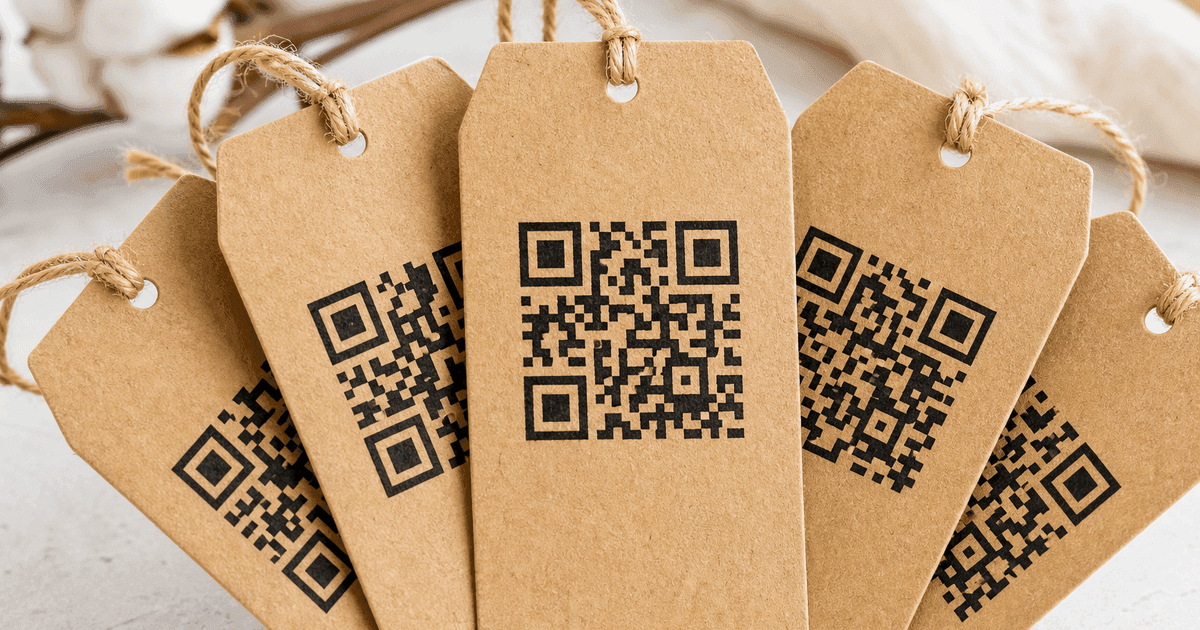
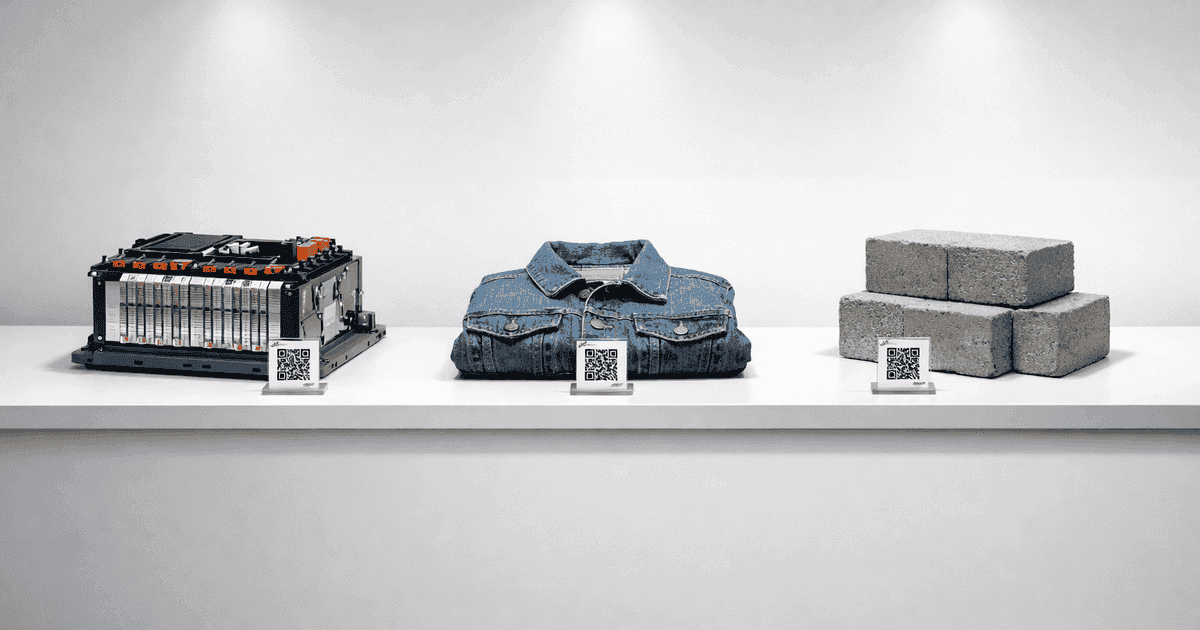
Tüketici deneyimi son derece basittir. Bir ürünü — bir batarya, bir ceket, bir çimento torbasını — elinize alırsınız ve etiket üzerinde bir QR kodu fark edersiniz. Telefonunuzun kamerasıyla tararsınız. Ürünün dijital pasaportunu gösteren bir web sayfası açılır: ürünün nelerden yapıldığı, nerede üretildiği, çevresel etkisi ve nasıl geri dönüştürüleceğine dair yapılandırılmış bölümler.
Bu, bir ürün web sayfasından veya pazarlama broşüründen temelden farklıdır. Bir Dijital Ürün Pasaportu standartlaştırılmış, makine tarafından okunabilir ve düzenlemeye uygun bir yapıdadır. Tanımlanmış bir veri şemasını izler, farklı kullanıcılar için kademeli erişimi destekler ve AB'nin merkezi DPP siciline kayıtlıdır. Bir restoranın Instagram sayfası ile sağlık denetim raporu arasındaki farkı düşünün — her ikisi de aynı işletmeyi tanımlar, ancak biri pazarlama, diğeri yapılandırılmış uyum verisidir.
Görsel sunum platforma ve markaya göre değişir. Bazı DPP'ler temiz, minimalist veri kartları gibi görünür. Bazıları ise düzenleyici verinin yanı sıra perde arkası içerikler sunan marka kimliğine uygun deneyimlerdir. Ancak altta yatan bilgi mimarisi tutarlıdır: tanımlama, bileşim, çevresel etki, tedarik zinciri, kullanım ömrü sonu.
Hemen gerçek bir örnek görün. Bir ürünün QR kodunun taşıyacağı GS1 Digital Link'in aynısı üzerinden canlı bir örnek pasaport yayımlıyoruz: dijital ürün pasaportu. Kurgusal bir Danimarka markasına ait bir merinos kazak; lif bileşimi, bakım sembolleri, karbon ayak izi, sertifikalar, AB uygunluk beyanı ve kullanım ömrü sonu yönlendirmeleriyle — yani tüketicinin taradıktan sonra gördüğünün aynısı.

Gerçek Dünyadan En İyi DPP Örnekleri Nelerdir?
Batarya Pasaportu (Catena-X / Eclipse Tractus-X)
Batarya pasaportu, bugün mevcut olan en olgun DPP uygulamasıdır ve diğer tüm ürün kategorileri için referans model olarak hizmet etmektedir.
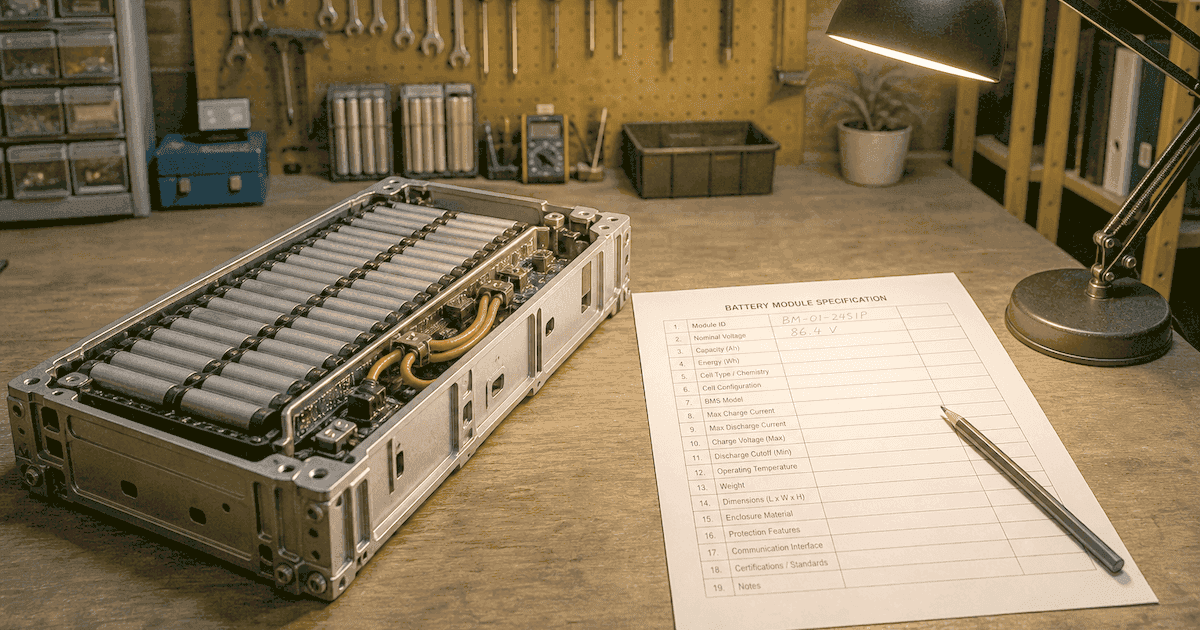
Eclipse Tractus-X çerçevesi üzerine inşa edilen Catena-X otomotiv veri ekosistemi (orijinal depo Ekim 2025'te arşivlendi; Industry Core Hub dahil halef projeler geliştirmeye devam etmektedir), tam işlevsel bir batarya pasaportu görüntüleyicisi içerir. Gösterilen bilgiler şunlardır:
- Tanımlama: Benzersiz seri numarası, üretici bilgileri, batarya modeli, üretim tarihi ve piyasaya arz tarihi
- Teknik özellikler: Batarya tipi, hücre kimyası, ağırlık yüzdelerine göre malzeme dökümü ve kritik hammaddeler için tedarik bilgileri
- Performans verileri: Şarj-deşarj döngüsü geçmişi, enerji verimliliği derecelendirmeleri, degradasyon eğilimleri, sağlık durumu yüzdesi ve nominal kapasite
- Karbon ayak izi: Üçüncü taraflarca hesaplanan ve doğrulanan üretim emisyonları, performans sınıflarına göre kategorize edilmiş (A'dan aşağıya doğru sıralanan, eşik değerleri Komisyon tarafından belirlenecek)
- Geri dönüştürülmüş içerik: Kobalt, nikel, lityum ve kurşun için geri kazanım yüzdeleri, geri dönüştürülmüş malzeme kaynaklarına kadar izlenebilir takip ile
- Tedarik zinciri durum tespiti: Etik kaynak belgeleri, insan hakları uyum raporları ve OECD yönergelerine uygun maden çıkarma koşulları
- Kullanım ömrü sonu rehberi: Onarım prosedürleri, ikinci ömür yeniden kullanım talimatları, geri dönüşüm süreci gereksinimleri ve kritik mineral geri kazanım oranları
Veri erişimi Eclipse Dataspace Connectors aracılığıyla kontrol edilir. QR kodu tarayan bir tüketici kamuya açık kademe özetini görür. Yetkili geri dönüşümcüler ve düzenleyiciler, kısıtlı alanlara erişmek için veri alanı üzerinden kimlik doğrulaması yapar.
Batarya pasaportu görüntüleyicisi GitHub'da açık kaynak olarak yayımlanmıştır (eclipse-tractusx/digital-product-pass), ancak orijinal depo Ekim 2025'te arşivlenmiştir. Halef projeler çalışmaları sürdürmektedir ve herkes hâlâ veri modelini inceleyebilir, arayüzü test edebilir ve üretim düzeyinde bir DPP'nin altyapısının nasıl göründüğünü anlayabilir.
Batarya pasaportu, diğer ürün kategorilerinin izleyeceği referans uygulamadır. Kendi sektörünüz için DPP'lerin nasıl görüneceğini görmek istiyorsanız, buradan başlayın. Batarya pasaportları Şubat 2027'de zorunlu hale geliyor — bundan sonra gelen her şey için standardı belirliyorlar.
Tekstil DPP (Studio Anneloes)
Tekstilde henüz zorunlu bir DPP bulunmasa da (yetkilendirilmiş tasarruf 2027 sonu civarında bekleniyor, uygulama yaklaşık 2028–2029), birçok marka canlı pilotlar yürütmektedir. Hollandalı moda markası Studio Anneloes, 2023 sonunda @WORK koleksiyonuyla başlayarak koleksiyonlarında DPP'leri hayata geçirdi. Tüketiciye yönelik tekstil pasaportları şunları gösterir:
- Malzeme bilgileri: Yüzdeye göre lif bileşimi, hammadde menşei, sertifikalar
- İzlenebilirlik verileri: Fabrika konumları, hammaddeden bitmiş ürüne tedarik zinciri haritası
- Uyumluluk bilgileri: Düzenleyici durum, endişe yaratan madde beyanları
- Sürdürülebilirlik verileri: Çevresel etki metrikleri, geri dönüştürülmüş içerik yüzdeleri
- Bakım talimatları: Ürün ömrünü uzatmak için yıkama, kurutma ve ütüleme rehberi
- Onarım rehberleri: Yaygın onarımlar için talimatlar, onarım hizmeti sağlayıcılarına bağlantılar
- İkinci el satış seçenekleri: Ürünün ikinci ömrü için ikinci el pazar yerleriyle entegrasyon
Bu örneği öğretici kılan tasarım yaklaşımıdır: pasaportlar genel veri dökümleri olmak yerine Studio Anneloes'un marka kimliğini yansıtır; zorunlu uyum verisini stil ipuçları ve ürün yolculuğu anlatımı gibi perde arkası içeriklerle birleştirir. İyi tasarlanmış bir DPP, yalnızca bir düzenleyici kontrol kutusu değil, aynı zamanda bir tüketici etkileşim aracı işlevi görür.
İnşaat Ürünleri (AB YÜY 2024/3110)
İnşaat ürünleri, 7 Ocak 2025'te yürürlüğe giren revize Yapı Ürünleri Yönetmeliği (YÜY) (AB) 2024/3110 aracılığıyla kendi DPP gereksinimlerini almıştır. Bu yönetmelik ESPR ile paralel yürür ve farklı bir sektörde ürün pasaportlarının nasıl göründüğünün somut bir örneğini sunar.
Bir inşaat ürünü DPP'si şunları içermelidir:
- GS1 GTIN standartlarını kullanan benzersiz ürün tanımlama
- Performans Beyanı ve Uygunluk Beyanı — düzenleyici uyumluluk belgeleri
- Ürüne özgü montaj, kullanım ve taşıma talimatları
- Tehlike bilgileri dahil güvenlik önlemleri
- Geri dönüştürülebilirlik yüzdeleri ve karbon ayak izini kapsayan çevresel ve yaşam döngüsü verileri
- Ürünün beklenen hizmet ömrüne bağlı dayanıklılık ve bakım bilgileri
Veri taşıyıcıları QR kodları, RFID etiketleri, barkodlar veya doğrudan URL'ler olabilir. Diğer ürün kategorilerinden önemli bir fark: inşaat ürünü DPP'leri, yapı malzemelerinin uzun yaşam döngüsünü yansıtan minimum 10 yıllık veri saklama süresi gerektirir. İnşaat ürünü pasaportları için dijital altyapının 2026–2027'de faaliyete geçmesi beklenmektedir.
Farklı Kullanıcılar DPP Üzerinde Hangi Verileri Görebilir?
Herkes DPP üzerinde aynı bilgileri görmez. ESPR, şeffaflık ile ticari gizliliği dengelemek üzere tasarlanmış farklılaştırılmış erişim hakları oluşturur.
| Erişim Düzeyi | Kim | Ne Görür |
|---|---|---|
| Kamuya Açık | Tüketiciler, QR kodu tarayan herkes | Dayanıklılık ve onarım puanları, karbon ayak izi özeti, geri dönüşüm talimatları, sertifikalar, malzeme bileşimi genel bakışı |
| Kısıtlı | Geri dönüşümcüler, tamirciler, tedarik zinciri ortakları | Ayrıntılı kimyasal bileşim (Malzeme Listesi), söküm talimatları, spesifik tedarikçi verileri, parti düzeyinde üretim ayrıntıları |
| Düzenleyici | Piyasa gözetimi yetkilileri, gümrük | Özel üretim verileri, uyumluluk belgeleri, denetim izleri, uygunluk değerlendirmeleri dahil tam veri seti |
Bu üç kademeli sistem pratik bir amaca hizmet eder. AB sınırlarındaki gümrük yetkilileri, ithal ürünlerde DPP varlığı ve veri doğruluğu üzerinde otomatik kontroller yapabilir. Ulusal piyasa gözetimi yetkilileri, yerinde kontroller ve denetimlerle veri doğruluğunu doğrular. Geri dönüşümcüler, güvenli söküm için ihtiyaç duydukları kimyasal bileşim ayrıntılarını, ticari açıdan hassas fiyatlandırma veya tedarikçi sözleşme verilerine erişmeden alır.
Müşterilere ait kişisel veriler, açık rızaları olmadan DPP'de saklanamaz (ESPR 10. Madde). Erişim kademesi sistemi hem tüketici mahremiyetini hem de ticari gizliliği korumak üzere tasarlanmıştır. Bu isteğe bağlı değildir — düzenlemenin kendisine yerleştirilmiş yasal bir gerekliliktir. KVKK/GDPR'nin DPP'lerle nasıl kesiştiğine dair ayrıntılı bilgi için DPP ve KVKK/GDPR veri gizliliği rehberimize bakın.
Bir Tekstil DPP'sinin Anatomisi: Veri Alanları Açıklandı
Bunu somutlaştırmak için, adım adım DPP oluşturma rehberimizden kurgusal Luma Apparel organik pamuklu tişört örneğiyle bir tekstil DPP'sinin neleri içerdiğinin açıklamalı bir yol haritası:
Ürün Tanımlama
├── GTIN: 4012345678901
├── Model: LMA-TEE-001
├── Parti: 2026-Q1-B003
└── Üretici: Luma Apparel, Berlin, Almanya

Malzeme Bileşimi
├── Organik pamuk: %95,2 (GOTS sertifikalı, Ege bölgesi, Türkiye)
├── Elastan: %3,1 (sentetik, Portekizli tedarikçi)
└── Reaktif boyalar: %1,7 (OEKO-TEX uyumlu)

Çevresel Etki
├── Karbon ayak izi: 7,2 kg CO₂e (beşikten kapıya)
├── Su kullanımı: 2.495 L (ekimden terbiyeye)
└── Geri dönüştürülmüş içerik: %0

Tedarik Zinciri
├── Montaj: FabricaPorto Lda, Porto, Portekiz
├── Kumaş: TecelMinho S.A., Guimarães, Portekiz
└── Pamuk çiftliği: Ege bölgesi, Türkiye

Bakım ve Kullanım Ömrü Sonu
├── 30°C'de makine yıkama, kurutma makinesi kullanmayın
├── Geri dönüştürülebilir: Evet (elastan iplik çıkarıldıktan sonra tek malzemeli)
└── Toplama: Tekstil toplama kutuları veya perakendeci geri alma programı

Sertifikalar
├── OEKO-TEX Standard 100
└── GOTS (organik pamuk bileşeni)
Bu pasaportun her alanı, ESPR çerçevesindeki belirli bir veri gereksinimine karşılık gelir. Ürün tanımlama bölümü benzersiz takibi sağlar. Malzeme bileşimi geri dönüşüm altyapısını besler. Çevresel etki metrikleri tüketici satın alma kararlarını bilgilendirir. Tedarik zinciri verileri durum tespiti doğrulamasını destekler. Bakım talimatları ürün ömrünü uzatır — döngüsel ekonominin temel hedeflerinden biri.
Tüketiciler DPP'ye Nasıl Erişiyor?
Erişim akışı sıfır sürtünme için tasarlanmıştır — uygulama yok, hesap yok, özel ekipman yok.
- QR kodunu bulun — bakım etiketi, askılı etiket, ambalaj veya ürünün üzerinde basılı
- Telefonunuzun kamerasıyla tarayın — özel bir uygulama gerekmez; yerleşik kamera uygulaması yeterlidir
- QR kodu bir GS1 Digital Link URI'si içerir —
https://id.gs1.org/01/04012345678901/21/2026Q1B003gibi bir yapıda - URI bir GS1 çözümleyici aracılığıyla yönlendirilir — isteği doğru DPP barındırma sağlayıcısına ileten standartlaştırılmış altyapı
- Tüketici kamuya açık kademe verileri görür — telefon tarayıcısında stilize edilmiş bir web arayüzünde görüntülenir
- Yetkililer kısıtlı veriler için kimlik doğrulaması yapar — aynı URI, erişen kişiye bağlı olarak farklı veriler sunar
GS1 Digital Link standardı bunu mümkün kılan yapıdır. Ürün tanımlayıcılarını standart web adreslerine dönüştürür, böylece kamerası ve tarayıcısı olan herhangi bir cihaz DPP'ye erişebilir. Özel okuyucu yok, ara yazılım yok, sürtünme yok.
İyi Bir DPP ile Kötü Bir DPP'yi Ayıran Nedir?
Tüm DPP'ler eşit değildir. Düzenlemeler yürürlüğe girdiğinde, bazı markalar bunu bir kontrol listesi işlemi olarak ele alacak. Bazıları ise gerçekten faydalı bir şey inşa edecek.
| Boyut | Yalnızca Uyum DPP'si | İyi Tasarlanmış DPP |
|---|---|---|
| Veri kapsamı | Yalnızca zorunlu minimum alanlar | Bağlam ve açıklamalı kapsamlı veri |
| Tasarım | Genel veri tablosu, ham değerler | Marka kimliğine uygun, tüketici dostu, kolay taranabilir düzen |
| Tüketici değeri | Düzenleyici kontrol listesi, ilgi çekici değil | Bakım ipuçları, onarım bilgileri, ikinci el satış bağlantıları içeren etkileşim aracı |
| Güncellemeler | Statik, nadiren yenilenen | Her parti ile güncel verilerle güncellenen canlı belge |
| Erişim düzeyleri | Tek düzey, yalnızca kamuya açık | ESPR'ye uygun şekilde yapılandırılmış üç kademeli erişim |
| Ek içerik | Yok | Perde arkası içerik, stil ipuçları, marka hikayesi |
DPP'leri yalnızca bir uyum yükü olarak değil, tüketici etkileşim fırsatı olarak değerlendiren markalar, düzenlemeden gerçek iş değeri elde edecektir. İyi tasarlanmış bir pasaport güven inşa eder, iadeleri azaltır (daha iyi ürün bilgisi sayesinde) ve yalnızca pazarlama e-postalarının başaramayacağı bir satış sonrası ilişki oluşturur.
Mevcut DPP Örneklerinde Hâlâ Nelerin Eksik Olduğu?
Yukarıdaki örnekler mevcut en iyi DPP uygulamalarını temsil ediyor — ancak bu pilotlar bile tam ESPR çerçevesine karşı ölçüldüğünde boşluklara sahip. Neyin eksik olduğunu anlamak, markaların mevcut örneklerin nihai standardı temsil ettiğini varsaymak yerine önceden planlamasına yardımcı olur.
| ESPR Gereksinimi | Batarya Pasaportu (Catena-X) | Tekstil Pilotu (Studio Anneloes) | İnşaat (YÜY) | Boşluk Değerlendirmesi |
|---|---|---|---|---|
| AB DPP Sicili entegrasyonu | Henüz değil — kayıt, her kategorinin delege edilmiş düzenlemesiyle başlar | Henüz değil | Henüz değil | Sicil Temmuz 2026'da devreye girdi, ancak henüz hiçbir tekstil pasaportu kayıtlı değil çünkü tekstil kaydı, tekstil delege edilmiş düzenlemesi uygulanana kadar (~2028/2029) gerekli değil |
| Üç kademeli erişim kontrolü | Evet — Eclipse Dataspace Connectors üzerinden | Kısmi — kamuya açık kademe uygulanmış; kısıtlı/düzenleyici kademeler geliştirmede | Planlanmış ancak tam operasyonel değil | Çoğu pilot kamuya açık erişimi iyi uygular ancak tam üç kademeli ESPR mimarisinden yoksun |
| Makine tarafından okunabilir yapılandırılmış veri (JSON-LD) | Evet — tam yapılandırılmış veri modeli | Kısmi — okunabilir arayüz makine tarafından okunabilir çıktıdan öncelikli | Geliştirilmekte | Tüketiciye yönelik tasarım, makine tarafından okunabilir birlikte çalışabilirlikten önde |
| Veri taşıyıcı olarak GS1 Digital Link | Destekleniyor ancak evrensel olarak dağıtılmamış | QR kodları kullanılıyor ancak GS1 Digital Link uyumu değişiyor | GS1 GTIN gerekli | GS1 Digital Link standardizasyonu ilerliyor ancak henüz tüm pilotlarda evrensel değil |
| Doğrulanmış metodolojili karbon ayak izi | Evet — üçüncü tarafça doğrulanmış, performans sınıfı sistemi | Sınırlı — bazı çevresel veriler ama metodoloji standartlaşmamış | Çevresel veriler dahil ancak metodoloji değişiyor | Karbon ayak izi metodolojisi batarya dışı ürünler için en büyük açık soru |
| Bağımsız yedekleme gereksinimi (11. Madde) | Geliştirilmekte | Platforma bağımlı | Geliştirilmekte | ESPR 11. Madde bağımsız veri yedeklemesi gerektirir — çoğu pilot bunu açıkça ele almamış |
| Tam ürün yaşam döngüsü veri kalıcılığı | Batarya yaşam döngüsü için planlanmış | Henüz ölçekte test edilmedi (ürünler yeni) | 10 yıllık minimum saklama belirtilmiş | Uzun vadeli veri kalıcılığı (10+ yıl) hiçbir pilotun tam olarak kanıtlamadığı bir altyapı zorluğu |
Mevcut DPP örnekleri ile tam ESPR uyumu arasındaki boşluk bir eleştiri değildir — bunlar pilotlar ve erken uygulamalardır ve nihai sistemlerin kullanacağı temeli inşa ediyorlar. Ancak markalar bugün bir DPP platformu dağıtmanın otomatik olarak ESPR uyumlu olduğu anlamına geldiğini varsaymamalı. AB DPP sicili, standartlaştırılmış erişim kontrolleri ve uzun vadeli veri kalıcılığı gereksinimleri, mevcut uygulamaların henüz ele almadığı katmanlar ekleyecek. Bu gereksinimleri platform seçiminizde ve bütçenizde planlayın.
Şimdi Başlayın
Ürün kategorinizin yetkilendirilmiş tasarrufunu beklemeden hazırlığa başlayabilirsiniz. Veri toplama çabası, nihai düzenleme detaylarından bağımsız olarak aynıdır ve erken başlayan markalar, son tarihler geldiğinde telaştan kaçınır.
- İlk Dijital Ürün Pasaportunuzu ücretsiz oluşturun — PassportCraft'ın rehberli kurulumu, her pasaportun tam olarak hangi verilere ihtiyaç duyduğunu adım adım gösterir
- DPP'yi adım adım nasıl oluşturacağınızı öğrenin — Denetimden dağıtıma pratik yol haritası
- Veri gereksinimlerini anlayın — Neyi toplamanız ve ne zaman toplamanız gerektiğinin ayrıntılı dökümü
- Hangi ürünlerin DPP'ye ihtiyaç duyduğunu öğrenin — 7+ AB yönetmeliğini ve takvimleri kapsayan ürün kapsamı rehberi
- Gerçek maliyetleri anlayın — Her ölçekte şirket için GS1 ücretlerinden platform fiyatlandırmasına gerçekçi maliyet dökümü
Sık Sorulan Sorular
Dijital Ürün Pasaportu örneği nedir?
Bugün mevcut olan en kapsamlı örnek, tanımlama verileri, performans metrikleri, karbon ayak izi, geri dönüştürülmüş içerik yüzdeleri ve tedarik zinciri durum tespiti bilgilerini — hepsine QR kodu ile erişilebilen — gösteren Catena-X batarya pasaportudur. Görüntüleyici GitHub'da açık kaynak olarak yayımlanmıştır (eclipse-tractusx/digital-product-pass), ancak orijinal depo Ekim 2025'te arşivlenmiş ve halef projeler geliştirmeye devam etmektedir. Tekstil için Hollandalı moda markası Studio Anneloes, malzeme bileşimini, bakım talimatlarını ve yeniden satış seçeneklerini marka kimliğine uygun bir arayüzde gösteren DÜP'leri üretimde tutmaktadır.
Dijital Ürün Pasaportu nasıl görünür?
DPP, ürün üzerindeki QR kodu taradığınızda açılan yapılandırılmış bir web sayfası olarak görünür. Malzeme bileşimi, çevresel etki, üretim detayları, bakım talimatları ve geri dönüşüm rehberliği için organize bölümler gösterir. PDF veya pazarlama sayfası değildir — tanımlanmış bir şemayı izleyen standartlaştırılmış bir veri arayüzüdür. Görsel tasarım platforma ve markaya göre değişir, ancak altta yatan veri kategorileri uygulamalar genelinde tutarlıdır.
Şu anda bir DPP demosu görebilir miyim?
Evet. Hemen açabileceğiniz canlı bir dijital ürün pasaportu yayımlıyoruz — kurgusal bir Danimarka markasına ait bir merinos kazak; bir ürünün QR kodunun çözümlendiği GS1 Digital Link üzerinden sunuluyor ve lif bileşimi, bakım sembolleri, karbon ayak izi, sertifikalar, AB uygunluk beyanı ile kullanım ömrü sonu yönlendirmelerini içeriyor. Ayrıca Catena-X batarya pasaportu görüntüleyicisi, yerel olarak çalıştırmak isterseniz GitHub'da açık kaynaklı yazılım olarak mevcuttur; aralarında Studio Anneloes'un da bulunduğu çeşitli moda markaları da gerçek ürünler üzerinde tarayabileceğiniz tekstil pasaportları yürütmektedir.
Tüm Dijital Ürün Pasaportları aynı formatta mı?
Hayır. ESPR minimum veri gereksinimleri belirler ve makine tarafından okunabilirliği zorunlu kılar, ancak görsel sunum platforma ve markaya göre değişir. Catena-X'ten bir batarya pasaportu, bir markanın tekstil pasaportundan farklı görünür. Altta yatan verilerin AB sicili ve piyasa gözetimi sistemleriyle birlikte çalışabilirlik için standartlaştırılmış şemaları izlemesi gerekir, ancak tüketiciye yönelik arayüz markanın kimliğini yansıtacak şekilde tamamen özelleştirilebilir.
Ürün pasaportu QR kodunu taradığımda ne olur?
Telefonunuz ürünün dijital pasaport verilerini gösteren bir web sayfası açar. QR kodu bir GS1 Digital Link URI'si içerir — ürünün tanımlayıcısını kodlayan standartlaştırılmış bir web adresi. Bu URI, bir GS1 çözümleyici aracılığıyla DPP barındırma sayfasına yönlendirilir ve burada kamuya açık kademe verileri görürsünüz. Uygulama indirmeye gerek yoktur. Yetkililer ve tedarik zinciri ortakları, kısıtlı veri kademelerine erişmek için aynı URI üzerinden kimlik doğrulaması yapabilir.
Bir DPP'de tüketici hangi bilgileri görür?
Tüketiciler kamuya açık kademe verileri görür: ürün bileşimi (malzemeler ve yüzdeler), sürdürülebilirlik puanları, karbon ayak izi özeti, onarım ve geri dönüşüm talimatları, sertifikalar ve üretici bilgileri. Ayrıntılı kimyasal dökümler (Malzeme Listesi), spesifik tedarikçi kimlikleri ve özel üretim verileri, geri dönüşümcüler, tamirciler ve piyasa gözetimi yetkilileri gibi yetkili kullanıcılara ayrılmıştır. Bu kademeli erişim, ticari gizliliği korumak için ESPR tarafından zorunlu kılınmıştır.
Yazar hakkında